
Loved One Sliding Down in the Recliner or Bed? How Positioning Equipment Helps
August 27, 2026
Quick Answer: People slide down in a bed or recliner because gravity pulls the body toward the foot of the seat whenever the surface is angled, and low muscle strength makes it hard to reseat themselves. Positioning equipment fixes the setup rather than the person: friction-reducing slide sheets and repositioning slings make boosting someone up far easier on a caregiver's back, while anti-slide seat cushions, wedges, and proper foot support keep the hips seated so the sliding stops before it starts.
You settle your loved one into the recliner, get them comfortable, and step away to start dinner. Twenty minutes later they have slid halfway down the seat, chin tucked toward their chest, feet pushed out in front of them. You lift them back up, and by the time the dishes are done it has happened again. In the hospital bed it is the same story: raise the head so they can eat or watch television, and before long they have drifted toward the foot of the mattress and you are hauling them back up by the armpits.
If this is your daily routine, you are not doing anything wrong, and neither is the person you care for. Sliding is a physics problem, not a behavior problem, and the fix is usually a change to the equipment and the setup rather than more lifting on your part. This guide walks through why sliding happens and which positioning aids actually keep someone supported, so both of you get through the day with less strain and more dignity.
Why a Loved One Keeps Sliding Down
The moment a seat or a mattress is tilted, gravity starts pulling the body downhill. In a bed, raising the head section sends the torso sliding toward the foot of the mattress. In a recliner or wheelchair, an open seat angle lets the hips creep forward until the person ends up perched on their tailbone. Research on hospital beds is blunt about it: elevating the head of the bed causes the body to slide down because of gravity, and the load shifts onto the tailbone as it does.
Muscle strength is the other half of the picture. A younger, stronger body constantly makes tiny corrections to stay seated without thinking about it. When strength, tone, or sensation is reduced by age, illness, or a recent hospital stay, those corrections stop happening, and the person simply travels wherever the angle sends them. They cannot scoot themselves back up, so they stay slumped until someone repositions them.
Then there is shear, which is the part caregivers feel but rarely have a name for. As the skeleton slides down, the skin against the surface tends to stay put, so the two layers drag against each other. That dragging is uncomfortable, it bunches clothing, and over time it irritates the skin at the tailbone and heels where the friction concentrates. Poor seat depth makes all of this worse: when a chair is too deep for the person, they slide forward just to get their feet flat on the floor, which puts them right back in the slumped position you were trying to avoid.
In the Bed: Small Setup Changes That Reduce Sliding
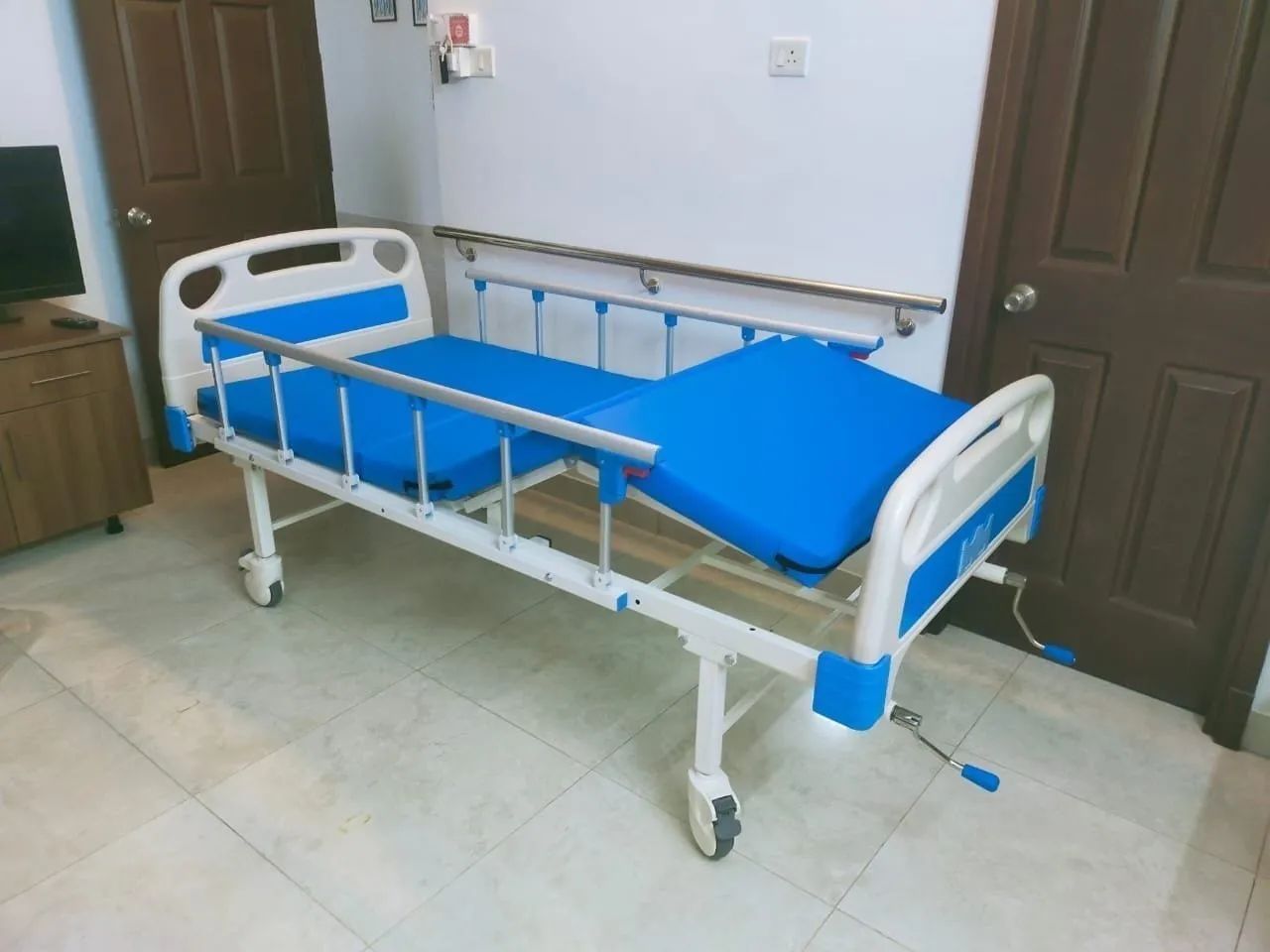
Before you buy anything, a few adjustments to an adjustable or hospital-style bed can cut the sliding way down. The single biggest one is the angle. Keeping the head of the bed lower, at a gentle recline rather than propped steeply upright, keeps gravity from dragging the body toward the foot of the mattress and eases the shear on the tailbone. When your loved one does need to sit up higher to eat or take medication, bring them back down once they are finished rather than leaving them propped for hours.
If the bed has a knee break, use it. Bending the bed slightly at the knees before you raise the head creates a gentle hollow that the hips settle into, so the body has something to rest against instead of a long ramp to slide down. Raising the knees first and the head second is a small sequence change that makes a real difference.
For the actual work of boosting someone up in bed, a friction-reducing slide sheet is the tool that saves caregivers' backs. Slide sheets are smooth panels placed under the person that let you glide them up toward the pillows with a fraction of the effort of dragging them across a cotton sheet, and they spare the skin the dragging that comes with a manual pull. For a loved one who needs full assistance, a repositioning sling used with a patient lift does the same job mechanically, letting one caregiver reposition someone safely rather than lifting a full body weight by hand.
Tip: Check the seat depth or bed setup before assuming the person is the problem. If the chair is too deep, a firm back cushion that brings them forward so their back is supported and their feet reach the floor often stops the forward slide on its own.
In the Recliner or Wheelchair: Cushions That Keep the Hips Back
When the sliding happens in a seated position, the answer is usually a cushion built to hold the hips at the back of the seat. An anti-slide or anti-thrust cushion is an angled foam wedge that sits higher at the front edge than at the back, so the natural downhill direction is reversed and the pelvis is encouraged to stay put rather than travel forward. Many of these cushions add a raised contour or a saddle-style bump between the legs that keeps the hips anchored, and they secure to the chair with ties so the cushion itself does not shift.
These are positioning aids, not restraints. A well-chosen anti-slide cushion guides the body into a better seated posture without strapping anyone in, which is what lets it improve comfort and dignity at the same time. The person sits back where they are supported, their weight settles evenly instead of concentrating on the tailbone, and they stop sliding into the slumped forward posture that makes breathing, eating, and conversation harder.
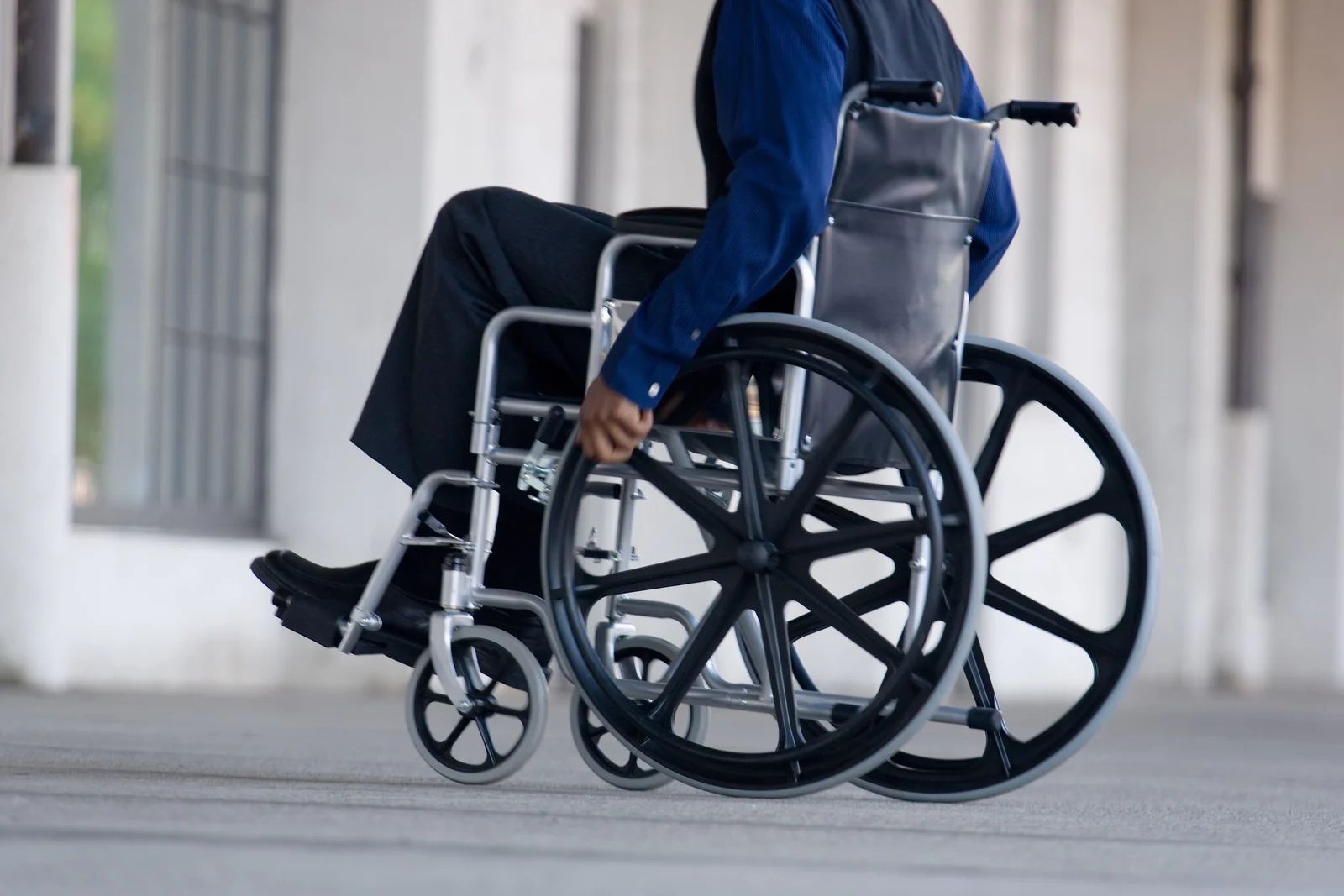
Foot support is the piece people forget. If the feet dangle or cannot reach a solid surface, the person will slide forward to find one, and even the best cushion will not hold them. Make sure the feet rest flat on the floor, on a footstool, or on properly set wheelchair footplates. For a recliner, a tilt-in-space design that tips the whole seat and back as one unit uses gravity in your favor, cradling the hips at the back of the seat rather than opening the angle that invites sliding.
Positioning Wedges and Supports for Rest and Side-Lying
Positioning is not only about keeping someone upright. When a loved one is resting in bed, wedges and supports hold them comfortably on their side and take pressure off the areas that bear the most weight. A wedge behind the back supports a gentle side-lying position, a pillow between the knees keeps the legs aligned, and a heel wedge lifts the heels clear of the mattress so they are not pressed down for hours. Alternating positions every couple of hours keeps any one area from taking all the load.
Choose supportive wedges and cushions rather than improvised props. Rolled towels and stacked bed pillows flatten quickly and slip out of place, and old ring-shaped or doughnut cushions actually concentrate pressure around their rim instead of relieving it. Purpose-made positioning foam holds its shape and stays where you put it.
Warning: Never leave a slide sheet or a lift sling under your loved one after you finish repositioning them. Both are designed to reduce friction, which means they will let the person slide right back down and can bunch under the skin. Remove them once the person is settled, and keep any positioning belt or support a non-restraint aid that the person could move against, never something that confines them.
Matching the Right Aid to the Person
The reason positioning equipment sometimes disappoints is a mismatch: the wrong cushion size, a sling that does not fit, or a wedge chosen for the wrong seating problem. A sit-to-stand user needs something different from a person who spends most of the day reclined, and a slim frame needs a different cushion width than a broad one. Getting the size and style right is what separates an aid that solves the problem from one that ends up in a closet.
This is where a hands-on assessment pays off. Sitting in the chair, measuring the seat depth, watching how the person actually slides, and trying a cushion or wedge in place tells you far more than a product description does. A good mobility equipment provider will look at the whole picture, the bed, the chair, the person's strength, and the layout of the room, and match the aid to how your loved one really spends their day, then show you how to use it so the setup is safe from the first try.
When Sliding Points to Something Worth a Closer Look
Most sliding is a setup and equipment issue, but a sudden change is worth noticing. If your loved one starts sliding much more than usual, seems weaker on one side, or is newly unable to hold themselves up when they could before, that is a conversation to have with their doctor or therapist rather than something a cushion alone should mask. The same is true if you see persistent redness or skin irritation at the tailbone or heels; a positioning aid can reduce the friction that contributes to it, but skin changes are worth raising with their care team so the cause gets addressed directly.
Think of positioning equipment as the practical layer that keeps everyday life comfortable and your own back protected, working alongside the guidance of the professionals who manage your loved one's care rather than in place of it.
Frequently Asked Questions
Why does my loved one slide down more when the head of the bed is raised?
Raising the head section tilts the body so gravity pulls it toward the foot of the mattress. The steeper the angle, the harder the pull. A gentle recline and the bed's knee break both help.
Are anti-slide cushions a type of restraint?
No. A well-designed anti-slide cushion is a non-restraint positioning aid. Its angled shape and contoured seat guide the hips toward the back of the chair, improving seated posture without strapping or confining anyone in place.
Do I still need a slide sheet if I have an anti-slide cushion?
They solve different problems. An anti-slide cushion stops forward sliding while seated. A slide sheet is a repositioning tool that makes boosting someone up in bed easier on your back and gentler on their skin.
My loved one's feet don't reach the floor. Does that matter?
Yes, a great deal. When the feet dangle, the person slides forward to find something to push against, which undoes any cushion. Firm support underfoot, on the floor or footstool, is often the missing piece.
How do I know which positioning aid is right?
It depends on where the sliding happens, how much the person can support themselves, and their chair or bed dimensions. A hands-on assessment that measures the seat is the surest way to get it right.
Bringing Comfort Back to Everyday Sitting and Resting
Sliding down is one of the few caregiving challenges with a clear, practical fix. Once the bed angle, the seat depth, the cushion, and the foot support are all working together, the body stays where you place it, and the constant cycle of lifting and resettling begins to fade. The change usually comes from adjusting the setup rather than asking more of the person, which is what makes the improvement last through the whole day rather than for an hour at a time.
Families across San Marcos, CA have been working through these same positioning puzzles for years, and the answers tend to be specific to the chair, the bed, and the person sitting in them. Advanced Medical
brings 27
years of experience to that kind of matching, measuring what is actually there instead of guessing at a product. With the right aids in place, the day settles into something calmer for the caregiver and far more comfortable for the person being cared for.