
When You Should Consider a Liftkar for Your Mobility Needs?
June 4, 2026
Maintaining mobility is essential for preserving independence, safety, and quality of life. As people age or face physical challenges related to injury, illness, or disability, everyday activities that once seemed simple can become difficult. One of the most common obstacles involves navigating stairs, uneven surfaces, and multi-level environments. Traditional mobility aids such as wheelchairs and walkers provide valuable support, but certain situations require more specialized solutions. A Liftkar offers a practical way to transport individuals safely over stairs while reducing physical strain on caregivers and family members. As mobility technology continues to evolve, more individuals are exploring solutions that provide greater flexibility without requiring major home modifications.
Choosing the right mobility equipment requires careful consideration of personal needs, living arrangements, health conditions, and long-term goals. A
Liftkar is designed to help users and caregivers overcome accessibility challenges in homes, public buildings, and community spaces. Its ability to assist with stair navigation makes it a valuable option for people who encounter barriers that traditional mobility devices cannot fully address. By recognizing the situations where this equipment provides the greatest benefit, users can improve daily mobility while maintaining confidence and comfort in a variety of environments.
Understanding What a Liftkar Does
A Mobility Solution for Stair Navigation
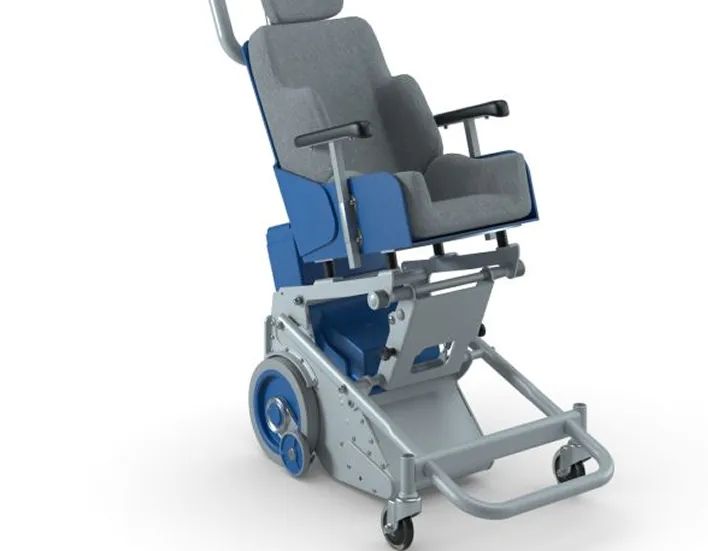
A Liftkar is a powered stair-climbing device designed to transport individuals safely up and down stairs. Unlike permanent accessibility installations, it is portable and can be used in various locations. The equipment typically works alongside a wheelchair or specialized seating system, allowing users to navigate staircases that would otherwise present significant challenges.
For individuals living in multi-level homes, visiting friends and family, or accessing older buildings without elevators, a Liftkar can provide a practical mobility solution. Rather than limiting movement or requiring expensive renovations, it creates additional accessibility options.
How It Supports Daily Independence
Independence often depends on the ability to move freely within one's environment. When stairs become a barrier, people may avoid certain areas of their home or community. A Liftkar helps remove these obstacles, enabling greater participation in daily activities.
Whether accessing an upstairs bedroom, attending appointments in older facilities, or visiting social gatherings, users gain more opportunities to remain active and engaged. This increased accessibility contributes to both physical mobility and emotional well-being.
Signs That a Liftkar May Be the Right Choice
Difficulty Navigating Stairs Safely
One of the clearest indicators that a Liftkar may be beneficial is increasing difficulty with stair use. Conditions such as arthritis, neurological disorders, muscular weakness, balance impairments, or recovery from surgery can make stairs hazardous.
Common warning signs include:
- Frequent loss of balance
- Fear of falling on stairs
- Reliance on multiple people for assistance
- Pain during stair climbing
- Limited access to parts of the home
When these challenges begin affecting daily life, a Liftkar can provide a safer alternative for mobility.
Temporary or Long-Term Mobility Changes
Mobility needs are not always permanent. Individuals recovering from surgery, injury, or medical treatment may experience temporary limitations that make stair use difficult.
Examples include:
- Hip replacement recovery
- Knee replacement rehabilitation
- Severe fractures
- Post-surgical weakness
- Extended illness recovery
In these situations, investing in permanent accessibility modifications may not be practical. A Liftkar can provide support during recovery while maintaining access to different levels of a home or facility.
Progressive Medical Conditions
Certain health conditions gradually reduce mobility over time. Conditions such as multiple sclerosis, Parkinson's disease, muscular dystrophy, and other neurological disorders often lead to increasing difficulty with stairs.
A Liftkar can serve as an adaptable solution that helps users maintain mobility as physical abilities change. Planning ahead often allows individuals to remain independent longer while reducing future accessibility challenges.
Benefits for Caregivers and Family Members
Reducing Physical Strain During Assistance
Caregiving often involves physically demanding tasks, particularly when helping someone navigate stairs. Manual lifting and stair assistance can place significant stress on caregivers' backs, shoulders, and joints.
A Liftkar helps reduce these physical demands by providing powered stair-climbing support. This decreases the risk of caregiver injuries while making transportation safer for everyone involved.
For family members assisting loved ones, this added support can make daily care responsibilities more manageable.
Improving Safety for Both Parties
Falls on stairs can have serious consequences for users and caregivers alike. Attempting to manually assist someone on stairs introduces risks that increase with age, physical limitations, and challenging stair configurations.
A Liftkar is designed with safety features that provide controlled movement during stair transport. By reducing reliance on manual lifting techniques, it helps minimize the likelihood of accidents.
Supporting Long-Term Home Care
Many individuals prefer to remain in their homes rather than relocate to assisted living facilities. Home-based care often becomes more sustainable when appropriate mobility equipment is available.
A Liftkar can play an important role in aging-in-place strategies by improving access to multiple levels of a home. This allows families to extend home care arrangements while maintaining safety and convenience.
Situations Where a Liftkar Offers Significant Value
Multi-Level Homes Without Elevators
Many homes were built before modern accessibility standards became common. As a result, staircases often separate essential living spaces such as bedrooms, bathrooms, and laundry areas.
Rather than undertaking major remodeling projects, homeowners may choose a Liftkar to improve accessibility. This solution can be particularly valuable when structural modifications are difficult, expensive, or impractical.
Frequent Travel and Community Access
Mobility challenges do not end at home. Public buildings, social venues, medical facilities, and recreational spaces may still contain stair barriers despite broader accessibility improvements.
A portable stair-climbing solution offers flexibility that fixed accessibility equipment cannot provide. Users can travel with greater confidence knowing they have assistance available when encountering stairs.
This flexibility supports participation in community activities, family events, appointments, and travel opportunities.
Rental Properties and Temporary Living Arrangements
Permanent modifications are not always feasible in rental housing. Installing stair lifts or making structural changes may be restricted by property agreements or financial considerations.
A Liftkar offers a portable alternative that does not require permanent installation. This makes it particularly useful for renters, temporary residents, and individuals who relocate frequently.
Accessing Older Buildings
Historic buildings, churches, community centers, and older facilities often present accessibility challenges due to architectural limitations.
In situations where elevators are unavailable or inaccessible, a Liftkar can provide a practical way to navigate stairs while preserving participation in community life.
Important Factors to Consider Before Choosing a Liftkar
Assessing Individual Mobility Needs
Every mobility situation is unique. Before selecting a Liftkar, it is important to evaluate:
- Current mobility level
- Medical condition
- Frequency of stair use
- Weight requirements
- Home layout
- Caregiver availability
A comprehensive assessment helps determine whether the equipment aligns with current and future needs.
Evaluating Staircase Conditions
Not all staircases are identical. Width, steepness, landings, and turning areas can influence equipment compatibility.
Professional evaluation helps ensure that the selected Liftkar model can operate safely within the intended environment. Understanding these factors beforehand prevents unexpected limitations after purchase.
Training and Proper Usage
Even advanced mobility equipment requires proper training. Users and caregivers should receive guidance on safe operation, maintenance, and transportation procedures.
Training helps maximize safety while ensuring users gain confidence in the equipment's capabilities. Familiarity with proper techniques contributes to a smoother and more comfortable experience.
Considering Long-Term Accessibility Goals
Mobility needs may evolve over time. While a Liftkar can address immediate stair-navigation challenges, individuals should also consider future requirements.
Questions to explore include:
- Will mobility needs increase over time?
- Are additional accessibility modifications likely?
- How often will stair assistance be required?
- Will multiple caregivers use the equipment?
Long-term planning helps ensure mobility investments continue providing value as circumstances change.
Best Practices for Maximizing Mobility and Independence
Combine Equipment with Comprehensive Mobility Planning
A Liftkar is most effective when integrated into a broader mobility strategy. Home safety improvements, accessible layouts, supportive furniture, and appropriate mobility aids all contribute to better outcomes.
Rather than relying on a single solution, users benefit from evaluating their entire living environment and mobility routine.
Prioritize Safety Assessments
Regular safety evaluations help identify new risks as health conditions and living situations evolve. Stairways, flooring, lighting, and mobility equipment should all be reviewed periodically.
Proactive assessments help prevent accidents and support continued independence.
Work with Mobility Professionals
Professional guidance ensures that mobility solutions are tailored to individual needs. Mobility specialists can recommend equipment, provide training, and assist with ongoing adjustments as requirements change.
This personalized approach often leads to better outcomes and greater user satisfaction.
Maintain Equipment Properly
Routine maintenance supports reliability and longevity. Following manufacturer recommendations for inspections, charging procedures, and service schedules helps ensure dependable performance.
Well-maintained equipment provides greater confidence during daily use and reduces the likelihood of unexpected interruptions.
Reliable Mobility Equipment Backed by Trusted Professionals
For individuals seeking dependable mobility equipment and professional guidance, Advanced Medical in San Marcos, CA serves as a trusted resource with 27 years of industry experience. We understand that every mobility journey is unique, which is why we focus on helping individuals and families identify solutions that align with their specific needs, lifestyles, and long-term goals. Whether exploring stair-climbing equipment, accessibility products, or mobility support options, we provide knowledgeable assistance grounded in decades of hands-on experience.
Our commitment extends beyond simply providing equipment. We believe in educating users, supporting caregivers, and helping clients make informed decisions that improve safety, independence, and quality of life. With 27
years of serving the San Marcos community and surrounding areas, we have built a reputation for reliability, professionalism, and personalized service. When accessibility and mobility matter, we remain dedicated to helping clients find trusted solutions that support comfort, confidence, and independence for years to come.