
Manual vs Lightweight Wheelchairs: What to Consider Before Buying
December 17, 2025
Choosing the right wheelchair is a major decision that goes far beyond selecting a mobility device. It influences comfort, independence, long-term mobility, and overall quality of life. Whether you are purchasing your first wheelchair or upgrading from an older model, understanding the differences between manual and lightweight wheelchairs is essential. Both options are widely used in the mobility industry, and each comes with advantages that suit different lifestyles, physical abilities, and usage environments. With innovations in design and materials transforming wheelchair technology, buyers now have more options than ever—making the selection process both exciting and overwhelming.
A well-informed decision requires evaluating more than appearance or price. The right wheelchair must align with the user’s daily routines, strength, posture needs, transportation requirements, and long-term health considerations. The mobility industry continues to emphasize custom-fit solutions, ergonomics, and user-centered design, meaning buyers benefit greatly from understanding key performance and comfort differences between models. This blog provides detailed, practical guidance to help you compare manual and lightweight wheelchairs, understand their distinct capabilities, and determine which option truly fits your lifestyle and mobility goals. By exploring core features, real-world usage scenarios, and essential buying factors, you’ll be better equipped to choose confidently and wisely.
Understanding the Core Differences Between Manual and Lightweight Wheelchairs
How Manual Wheelchairs Function
Manual wheelchairs are propelled by the user through rear hand rims or by a caregiver pushing from behind. They are typically constructed with durable steel or standard aluminum frames. These wheelchairs are ideal for users with moderate upper-body strength or those who rely on caregiver support. Their design emphasizes stability and longevity, making them a practical choice for medical facilities, temporary mobility needs, and users who spend limited time in the chair. Because manual wheelchairs are heavier than lightweight models, they may require more physical effort during self-propulsion, especially on slopes or uneven surfaces.
What Makes Lightweight Wheelchairs Different
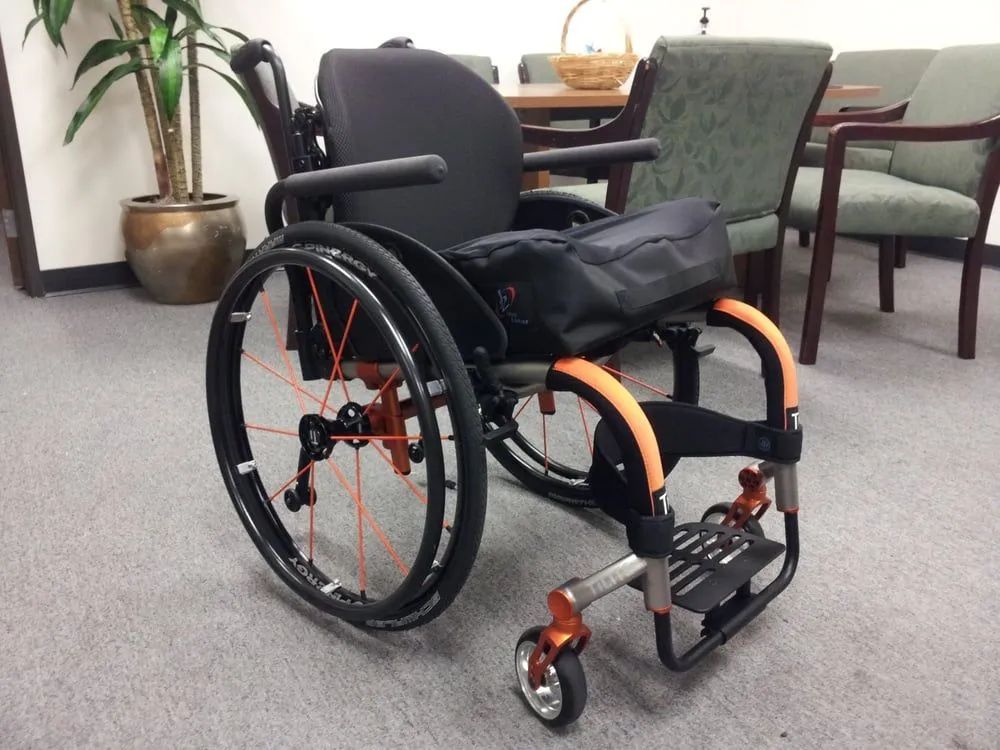
Lightweight wheelchairs use advanced materials like aircraft-grade aluminum, titanium, or carbon fiber. Their reduced frame weight enhances mobility, ease of pushing, and maneuverability. For regular wheelchair users, the lighter weight can significantly reduce arm fatigue, wrist strain, and long-term shoulder injuries. Lightweight frames also make transport easier, particularly for individuals who frequently load their wheelchair into a car. The enhanced agility and responsiveness of lightweight models appeal to active users, younger individuals, and those who want easier navigation both indoors and outdoors.
Assessing the User’s Physical Strength and Mobility Level
- Why Upper-Body Strength Matters:- A primary factor when choosing between a manual and lightweight wheelchair is upper-body strength. Standard manual wheelchairs require more force to propel, especially during longer distances, frequent turns, or when overcoming obstacles. Users with limited strength may quickly experience fatigue, leading to reduced independence and potential discomfort. In contrast, lightweight wheelchairs minimize the push effort required, enabling smoother, more efficient movement. This advantage is particularly important for long-term users seeking to maintain joint health.
- Mobility Conditions and Health Considerations:- Individuals dealing with conditions such as arthritis, muscular dystrophy, post-stroke limitations, or spinal cord injuries may benefit significantly from lightweight options. Reduced frame weight translates to less repetitive strain, lowering the risk of overuse injuries. Those with temporary injuries or who only use a wheelchair occasionally may find standard manual wheelchairs sufficiently supportive. Healthcare professionals often recommend evaluating how frequently the wheelchair will be used daily, as consistent, long-duration use amplifies the importance of choosing a lighter frame.
- Real-World Scenario:- Consider two users: one who uses a wheelchair occasionally for medical appointments, and another who uses one from morning until night. The occasional user may not require the advanced mobility benefits of a lightweight wheelchair. Meanwhile, the daily user would experience substantial long-term benefits from a lighter model, including reduced fatigue and better posture management.
Evaluating Comfort, Adjustability, and Posture Support
Why Seat Ergonomics Matter
Comfort directly affects long-term user satisfaction. Manual wheelchairs may offer basic seating, which is suitable for short-term use. Lightweight models, on the other hand, often integrate ergonomic seating systems designed to reduce pressure points and support proper spinal alignment. For users spending multiple hours per day in their wheelchair, proper cushioning and contouring help prevent pressure sores and improve posture.
Customization and Adjustability Features
Modern lightweight wheelchairs typically provide adjustable backrests, seat depths, footrests, and armrests. These adjustments ensure a personalized fit tailored to the user’s height, weight, and mobility needs. Standard manual wheelchairs may offer fewer adjustment options, which could impact comfort if the user requires specialized positioning.
Long-Term Health Impact
Poor seating posture can lead to chronic pain, reduced lung capacity, and muscle imbalance. A lightweight wheelchair with custom fit components minimizes these risks. While manual wheelchairs are serviceable and durable, they may not support advanced posture correction needs unless upgraded with specialized seating systems.
Considering Mobility Environment and Daily Lifestyle Needs
- Indoor vs Outdoor Use:- The user’s environment plays a major role in selecting a wheelchair. Manual wheelchairs perform well on smooth indoor surfaces, such as hospitals or homes with level flooring. Lightweight wheelchairs excel in mixed environments—indoors, outdoors, and on rougher terrains—due to enhanced maneuverability and better wheel design.
- Frequent Travel and Transport:- For users who travel regularly, transport convenience becomes a top priority. A lightweight wheelchair folds easily, weighs less, and is simpler to lift into cars or storage spaces. Caregivers also benefit from reduced lifting strain. In contrast, moving a traditional manual wheelchair can be challenging because of its heavier and bulkier frame.
- Lifestyle-Based Scenarios:- Active users who enjoy events, outdoor activities, or navigating crowded spaces often prefer lightweight models for their agility. A lighter frame allows quicker directional changes and easier access in tight areas. Manual wheelchairs suit users with a slower-paced lifestyle or those who have consistent caregiver support.
Durability, Maintenance, and Long-Term Value
Durability of Frame Materials
Manual wheelchairs, often built with steel or standard aluminum, are extremely durable and can withstand heavy usage. Lightweight wheelchairs, although made with lighter materials, are engineered for strength and longevity. Titanium frames, for example, offer both lightness and high durability, making them an ideal long-term investment for active users.
Maintenance Requirements
Manual wheelchairs generally require minimal maintenance beyond wheel checks and occasional tightening of bolts. Lightweight wheelchairs, especially those with adjustable components, may need periodic fine-tuning to maintain alignment. Proper maintenance ensures smoother propulsion and extends the wheelchair’s lifespan.
Cost vs Value
While lightweight wheelchairs may come with a higher price tag, their long-term value often justifies the investment. Users benefit from improved mobility, reduced physical strain, and better comfort over time. For individuals using a wheelchair occasionally, a manual model may provide excellent cost-effectiveness without compromising support.
Essential Buying Considerations and Best Practices
- Conducting a Professional Assessment:- Before purchasing any wheelchair, it is beneficial to consult a physical therapist or mobility specialist. They can assess upper-body strength, posture needs, daily movement patterns, and functional capacity. Their insights help determine whether a lightweight wheelchair is necessary or if a manual wheelchair will be sufficient.
- Testing Different Models:- Testing a wheelchair provides firsthand experience in maneuverability, comfort, and ease of propulsion. Many mobility centers allow users to try multiple options before purchasing. When testing, pay attention to turning radius, seat comfort, push resistance, and transfer ease.
- Custom Features Worth Considering:- Popular customization options include quick-release wheels, adjustable armrests, foldable frames, pressure-relief cushions, and anti-tip bars. Lightweight wheelchairs typically support a wider range of add-ons, making them highly adaptable to unique user needs.
- Long-Term Health Considerations:- The chosen wheelchair should support long-term mobility goals. For full-time users, lightweight models reduce strain on the shoulders and wrists, helping preserve mobility. For part-time users, comfort and reliability may outweigh the need for a premium lightweight design.
Evaluating Your Needs Results in Better Mobility Outcomes
For individuals seeking professional guidance and reliable mobility solutions, partnering with a knowledgeable and trusted provider makes all the difference. That is where Advanced Medical stands out. With more than 27 years of dedicated experience, the team has developed a deep understanding of how mobility needs vary from person to person and how the right wheelchair can transform daily life. Based in San Marcos, CA, the company offers a comprehensive selection of manual and lightweight wheelchairs, each chosen for its quality, performance, and long-lasting value.
Advanced Medical
focuses on personalized assessments, ensuring every customer receives a wheelchair that supports their mobility goals, comfort preferences, and health requirements. Their experts take the time to understand lifestyle factors, physical considerations, and long-term expectations before recommending the ideal product. This thoughtful, patient-centered approach has built trust within the community for nearly three decades. Whether someone needs a durable manual wheelchair or a highly responsive lightweight model, the team provides guidance backed by experience, technical knowledge, and genuine care. With a commitment to delivering exceptional service and reliable equipment, we continue to be a dependable partner in helping individuals maintain independence, comfort, and confidence in their mobility journey.