
Walking Aides 101: Canes, Walkers & Rollators — Finding the Right Fit for Stability & Safety
February 3, 2026
Mobility challenges can affect people of all ages, often arising from injury, chronic illness, surgery recovery, or age-related changes in balance. In these situations, choosing the right walking aide becomes more than a matter of convenience; it directly influences stability, confidence, and long-term mobility health. As mobility devices continue evolving, users and caregivers now have access to an extensive selection, each designed to support different levels of balance, gait strength, and lifestyle needs. Understanding these options ensures that individuals stay active, reduce fall risks, and maintain independence in various environments.
Within the healthcare and rehabilitation industry, walking aides remain a cornerstone of safe movement and functional improvement. Yet many users struggle with identifying the type of aide that suits their condition, comfort, and daily routine. Whether someone needs light balance support or a more structured device for full weight-bearing assistance, the selection process should be both informed and intentional. This blog simplifies that process by breaking down the basics of canes, walkers, and rollators, explaining how each device works, when they are most effective, and what factors influence smart and safe decision-making.
Understanding the Role of Walking Aides in Mobility Support
Why Walking Aides Matter
Walking aides are essential tools for people experiencing balance difficulties, muscle weakness, reduced endurance, or recovery from orthopedic procedures. They provide structured support that prevents falls, encourages proper posture, and promotes safe movement in a variety of settings. The right device can help individuals stay active and minimize strain on joints and muscles.
How They Improve Safety and Stability
At their core, these devices expand the user’s base of support. A wider and more stable base allows individuals to place partial or full weight on the device rather than the affected limb or muscles. This stabilizing effect is particularly important for those managing conditions like arthritis, neurological disorders, or post-surgical limitations.
The Importance of Proper Device Selection
Incorrect selection can lead to discomfort, improper gait alignment, and even increased fall risk. Choosing a device must be based on the user’s medical condition, physical strength, living environment, and long-term mobility goals. An informed decision strengthens both safety and confidence during movement.
Canes: Light Support for Mild Balance Challenges
Types of Canes and Their Functions
Canes are the simplest and most lightweight mobility aides available. They are ideal for individuals who require minimal support for balance rather than full weight-bearing assistance. The most common types include:
- Standard Cane – A straight, single-tip cane used for mild balance support.
- Quad Cane – Equipped with a sturdy four-pronged base, offering greater stability.
- Offset Cane – Designed with an angled handle that distributes weight more comfortably.
Each type serves a different purpose, and selecting the right one improves overall gait efficiency.
Benefits of Using a Cane
Canes are highly adaptable, affordable, and easy to transport. They help users stabilize their stride, reduce knee or hip pressure, and navigate short distances comfortably. They can also serve as transitional aides for individuals recovering from injuries who may later progress to walking unassisted.
Correct Height and Usage Techniques
A cane should align with the crease of the wrist when the user stands upright. When walking, the cane should be held in the hand opposite the weaker leg. This technique reduces joint strain and promotes a natural gait. Training with a physical therapist is often recommended to ensure proper form and avoid compensatory movements.
Real-World Use Case
Someone experiencing mild balance issues due to early-stage arthritis may find that a standard cane significantly reduces discomfort during daily activities such as grocery shopping or short outdoor walks. The lightweight design allows for regular use without fatigue.
Walkers: Structured Support for Greater Stability
When Walkers Are Most Effective
Walkers are recommended for individuals who require support on both sides of the body or need full weight-bearing stability. They are especially beneficial for people recovering from hip or knee surgeries, those with degenerative joint conditions, or older adults at higher fall risk.
Types of Walkers
Walkers come in several configurations to meet varied needs:
- Standard Walker – A rigid frame requiring the user to lift and place it with each step.
- Two-Wheeled Walker – Front wheels reduce the lifting effort, making it suitable for users with limited arm strength.
- Hemi Walker – Designed for individuals who have limited use of one side of the body, often due to stroke or neurological conditions.
Each variation caters to specific mobility requirements, ensuring that users maintain consistent stability.
Key Advantages
Walkers provide unparalleled stability by creating a solid frame around the user. They encourage upright posture and reduce weight placed on lower limbs. These benefits are crucial for individuals transitioning from bed rest, recovering from surgery, or managing chronic conditions.
Challenges and Considerations
Walkers require adequate arm strength and coordination. Users must also navigate obstacles like thresholds or uneven pavement carefully. Indoor environments with narrow hallways may require more compact models.
Real-World Scenario
A patient recovering from knee replacement surgery may begin rehabilitation with a standard walker to regain strength and balance. As mobility improves, they may transition to a two-wheeled model to reduce exertion.
Rollators: Mobility with Added Convenience
What Makes Rollators Different
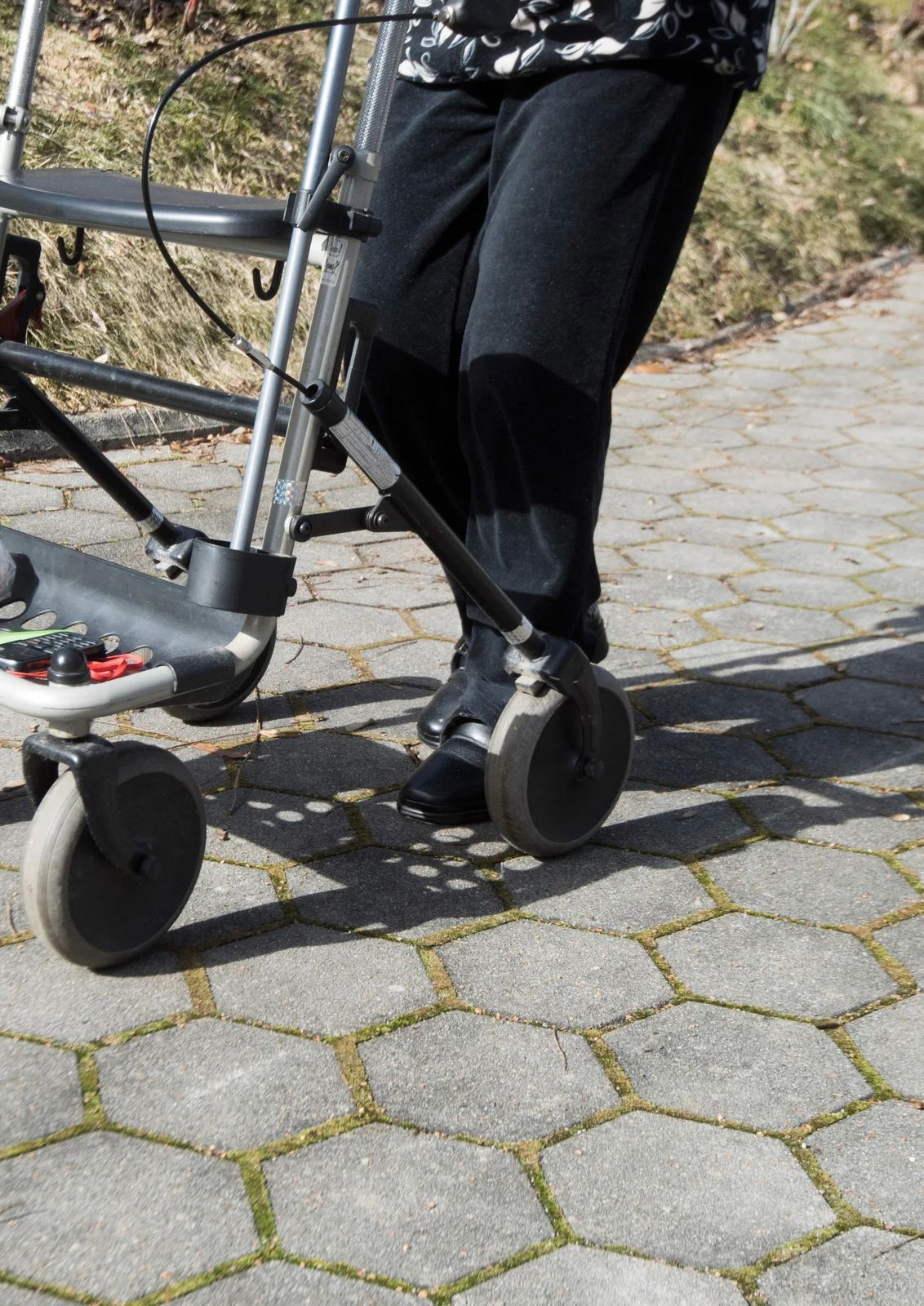
Rollators are walkers equipped with wheels on all legs, hand brakes, and usually a built-in seat. They offer excellent mobility for individuals who can walk independently but require support for endurance or balance in more extended activities.
Variations of Rollators
Several designs exist to accommodate user needs:
- Three-Wheel Rollators – Lightweight and ideal for maneuvering in tight spaces.
- Four-Wheel Rollators – Provide significant stability and often include storage compartments.
- Heavy-Duty Rollators – Designed for higher weight capacities with reinforced frames.
Each model supports different lifestyles, from indoor mobility to outdoor excursions.
Benefits of Rollator Use
Rollators excel in providing mobility freedom. Their wheels glide smoothly on various surfaces, reducing energy expenditure during long walks. The seat allows users to rest when fatigue sets in, expanding the duration they can comfortably remain active.
Safety and Brake Control
Users must learn proper hand-brake mechanics to ensure safe stopping and parking. Engaging brakes before sitting prevents accidents. Training and familiarity are crucial for secure and confident operation.
Real-World Example
For someone who enjoys outdoor walks but struggles with endurance due to chronic obstructive pulmonary disease (COPD), a rollator enables longer outings by offering both mobility support and a place to rest.
Choosing the Right Walking Aide
Assessing Personal Mobility Needs
A mobility assessment should include evaluation of balance, strength, endurance, gait pattern, and safety concerns. Healthcare professionals play a vital role in ensuring that the recommended aide enhances daily functioning rather than causing strain or dependency.
Lifestyle Factors
Living environment, daily travel routines, terrain, and storage capacity influence the choice. A cane may be suitable for indoor environments, while a rollator may be ideal for someone who walks through parks or community areas frequently.
Professional Fitting and Training
Proper fitting ensures the device aligns with body mechanics. Incorrect height or configuration can lead to shoulder strain, back pain, or inefficient gait patterns. Professional training also encourages long-term, safe use.
Safety and Maintenance Tips
Regular inspection of grips, wheels, and frames extends the lifespan of mobility devices. Replacing worn rubber tips or adjusting loose brakes prevents accidents. Maintaining the device keeps it reliable and safe.
Best Practices for Using Mobility Aides Daily
Developing Safe Walking Habits
Users should take measured steps, avoid rushing, and remain aware of uneven surfaces. Keeping pathways at home free of clutter reduces fall risks.
Integrating Aides into Rehabilitation Plans
Many rehabilitation programs incorporate mobility aides to gradually build strength and confidence. Transitioning from a walker to a cane or from a cane to unassisted walking should be supervised to ensure readiness.
Emotional and Social Benefits
Walking aides often restore independence and reduce reliance on caregivers. This increased mobility has positive effects on emotional well-being and social engagement.
Ensuring Stability Through Better Mobility Device Decisions
For individuals seeking the right mobility support and expert guidance, Advanced Medical
in San Marcos, CA stands as a trusted resource with more than 27
years of experience. The company has built its reputation by offering personalized solutions tailored to the needs of users navigating mobility challenges, rehabilitation processes, or long-term safety concerns. Their team understands that selecting the right
walking aide
is not simply about choosing a piece of equipment; it is about supporting a person’s ability to move confidently and securely in their daily life. With extensive knowledge of canes, walkers, and rollators, we provide thorough consultations, high-quality products, and dependable service. Their longstanding experience allows them to identify the nuances of each user’s needs, ensuring that every recommendation enhances comfort, stability, and independence. Whether someone requires a basic balance aide or a more advanced mobility solution, Advanced Medical
remains committed to helping individuals achieve safer, more supported movement every day.