
Choosing the Right Bed: Adjustable, Hospital‑Style & Pressure‑Relief Beds for Home Care
January 5, 2026
Selecting the right bed for home care is more than a comfort decision; it is a crucial element of creating a safe, supportive, and dignified living environment for individuals with medical needs. As more families transition to home-based care, the demand for beds that provide mobility support, pressure management, and customizable positioning has increased significantly. The modern home-care bed market offers an impressive range of solutions, but without clear guidance, navigating these choices can feel overwhelming. Understanding the differences between adjustable beds, hospital-style beds, and pressure-relief beds can help caregivers and families make confident, well-informed decisions.
Each type of bed serves a specific purpose, plays a unique role in daily care routines, and directly impacts a patient’s comfort, recovery, and quality of life. Whether you are supporting a loved one recovering from surgery, managing a chronic condition, or seeking ways to reduce caregiver strain, choosing the right bed can change the entire care experience. This blog delves into the distinctions, benefits, and considerations of the leading home-care bed options, helping you identify the best fit for your situation.
Understanding the Types of Home-Care Beds
1. Adjustable Beds: Comfort-Focused Flexibility
Adjustable beds allow users to raise or lower the head and foot sections for personalized positioning. These beds are ideal for individuals who need flexible comfort but do not require advanced clinical features. Many users choose adjustable beds for managing back pain, improving circulation, or elevating the upper body to support breathing conditions such as sleep apnea.
Key Features
- Motorized adjustment for upper and lower body.
- Multiple preset positions for comfort and support.
- Typically compatible with standard home mattresses.
- Easier aesthetic fit within a home setting.
Best Use Cases
Adjustable beds benefit individuals who desire enhanced comfort without the need for medical-grade equipment. For example, an older adult who experiences nighttime reflux may find relief by elevating the upper body, while someone recovering from minor surgery may appreciate the ease of getting in and out of bed with slight elevation. Adjustable beds support independence by allowing users to adjust positions without assistance.
2. Hospital-Style Beds: Functional, Safe, and Clinically Designed
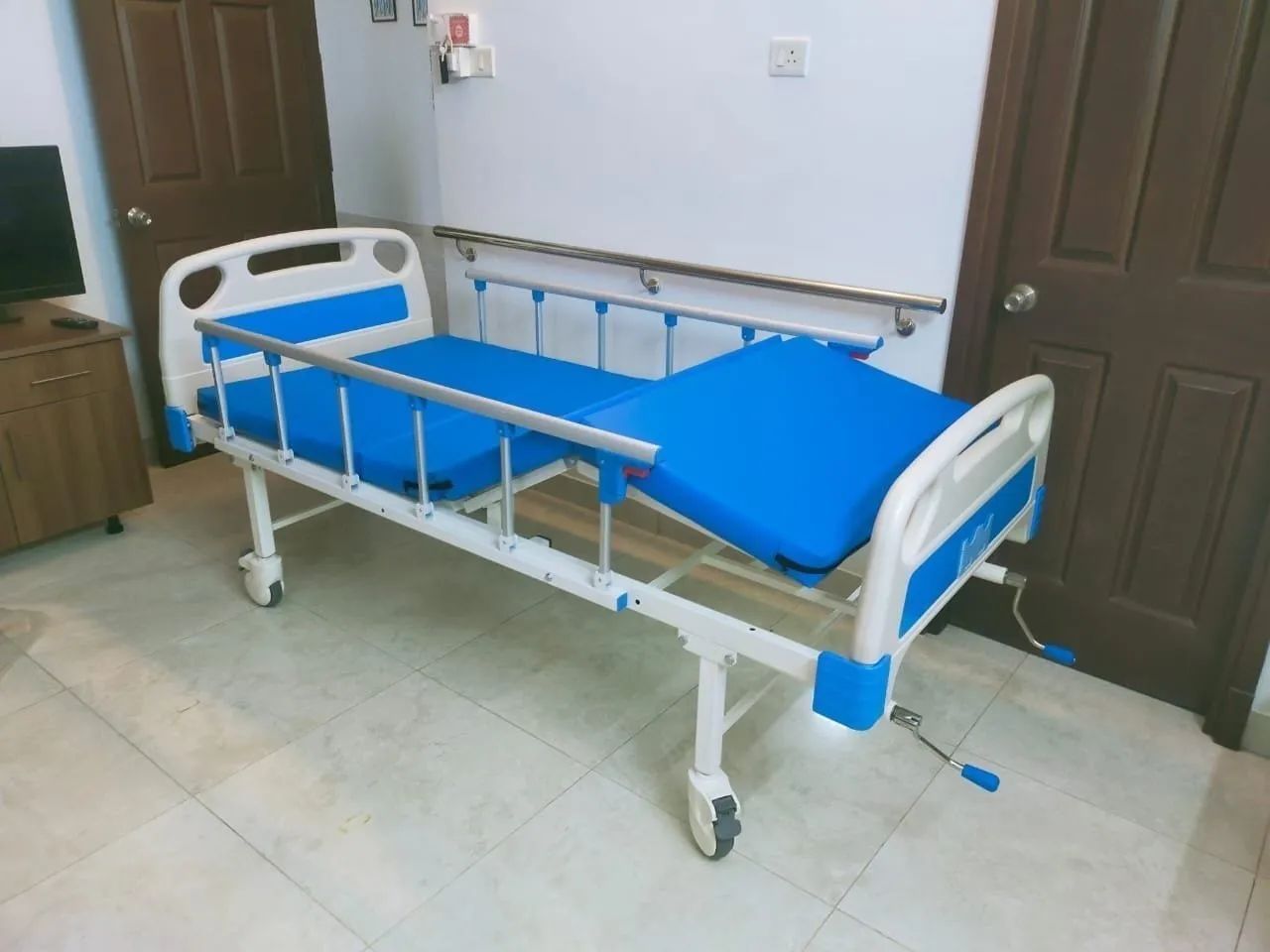
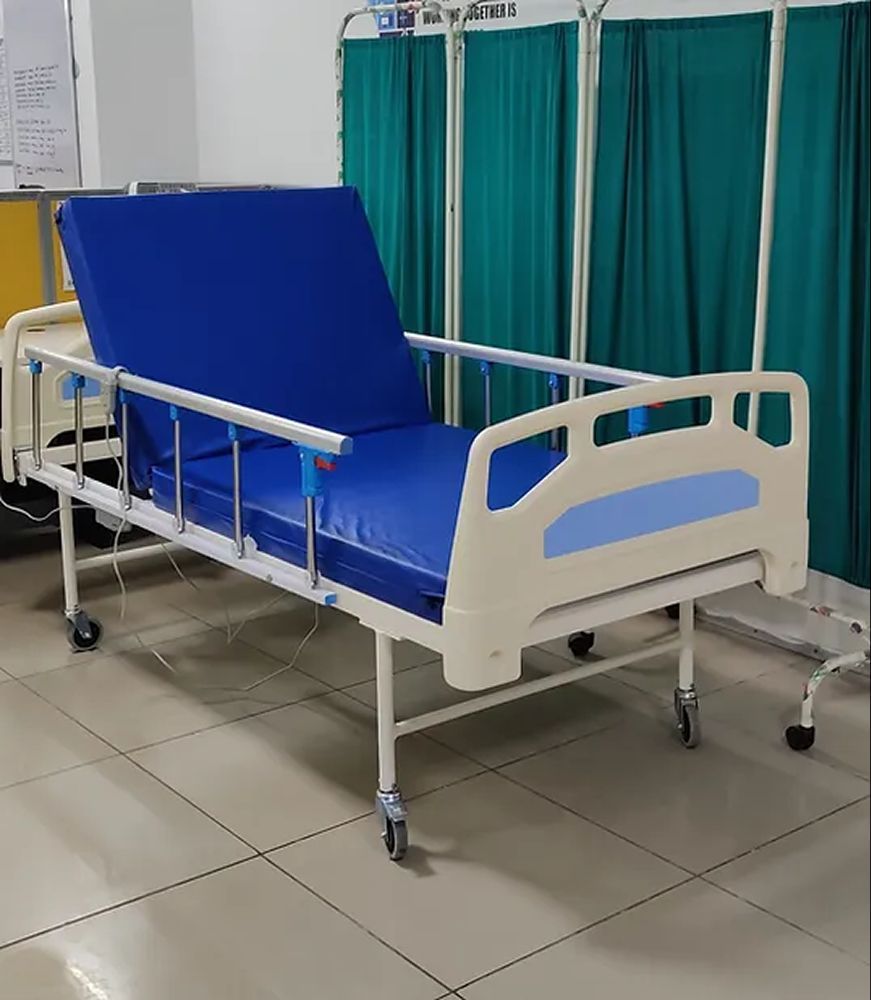
Hospital-style beds are built with safety and medical support in mind. They offer advanced adjustability, side rails, and height control—making them essential for individuals with limited mobility, those at risk of falls, and patients requiring frequent caregiving assistance. These beds are engineered to improve caregiver ergonomics and patient safety during repositioning, transfers, or medical procedures performed at home.
Key Features
- Full-electric or semi-electric motor systems for precise adjustments.
- Adjustable height to reduce caregiver strain.
- Optional side rails for fall prevention.
- Durable frames designed for long-term care needs.
Best Use Cases
Hospital-style beds are highly suitable for patients dealing with chronic illnesses, limited mobility, or conditions that require ongoing monitoring. For instance, a person recovering from a stroke may need frequent repositioning and safe transfers, which these beds accommodate well. Similarly, those with advanced arthritis or neurological disorders often require stable support only medical-grade beds can provide. The clinical design helps maintain safety during daily routines while also offering comfort.
3. Pressure-Relief Beds: Protecting Skin and Preventing Ulcers
Pressure-relief beds are specialized solutions designed for individuals who spend extended time in bed and are at risk of developing pressure injuries. These beds often use alternating-pressure, low-air-loss, or foam technologies to distribute weight evenly and promote airflow around the skin. Pressure-relief systems are essential for preventing bedsores, improving healing, and minimizing discomfort for bedridden patients.
Key Features
- Advanced pressure-redistribution technology.
- Automatic air-pump systems for continuous support.
- Moisture-reducing covers to protect skin integrity.
- Configurations suitable for hospital-style bed frames.
Best Use Cases
Patients recovering from major surgeries, those with limited mobility, or individuals undergoing long-term medical treatments benefit strongly from pressure-relief beds. For example, a person with reduced sensation due to diabetes or spinal injury may not naturally shift positions through the night, increasing the risk of pressure sores. These beds help mitigate that risk by adjusting support levels without requiring constant manual repositioning.
How to Evaluate Which Bed Is Best for Your Needs
1. Assess the User’s Mobility Level
Mobility is the most important factor when choosing a home-care bed. A person who can independently change positions might only need an adjustable bed, while someone who requires help with turning or transferring will benefit more from a hospital-style or pressure-relief solution.
Practical Example:
A senior recovering from a knee replacement may initially require a hospital-style bed for safe transfers but transition to an adjustable bed once mobility improves. Meanwhile, a patient with advanced mobility limitations may require a hospital-style bed permanently due to safety and caregiver-assistance requirements.
2. Identify Daily Care Needs
Different beds support different types of daily care. Tasks like repositioning, bathing, in-bed physical therapy, wound care, and feeding may require specific features.
Care Needs Breakdown
- Frequent repositioning: Pressure-relief bed recommended.
- Fall-risk management: Hospital-style bed with rails.
- Nighttime breathing support: Adjustable bed with upper-body elevation.
- Caregiver-assisted transfers: Hospital-style bed with height control.
Evaluating the user's day-to-day routines helps ensure the bed supports both comfort and health requirements.
3. Consider Long-Term vs. Short-Term Usage
Short-term post-surgery recovery may not demand advanced features, while long-term home-care arrangements often require more durable and supportive systems. Understanding the duration and progression of the medical condition is essential.
Scenario Comparison
Short-term: An adjustable bed may suffice for a temporary recovery period, offering comfort without extensive clinical functions.
Long-term: Chronic conditions—such as Parkinson’s disease or severe arthritis—usually benefit from hospital-style beds with pressure-relief mattresses to prevent complications and ensure comfort over time.
Safety, Comfort, and Caregiver Considerations
1. Prioritizing Patient Safety
Bed height, side rails, and stability all impact safety. Hospital-style beds excel in this area due to their fall-prevention features and secure frames. Adjustable beds, while comfortable, typically lack advanced safety components.
Why This Matters
Falls are a top concern in home care. Individuals with impaired balance or neurological conditions may rely heavily on rails to prevent accidents. Secure locking systems and low-height settings also help reduce injury risks.
2. Ensuring User Comfort
Comfort is not just about softness—it includes body alignment, ease of movement, temperature regulation, and support during long periods of rest.
Comfort Considerations
- Adjustable beds: Flexibility for lounging, sleeping, or reading.
- Hospital-style beds: Precision positioning for medical needs.
- Pressure-relief beds: Skin protection and discomfort reduction.
Matching the bed type to comfort requirements leads to better rest, fewer aches, and improved well-being.
3. Reducing Caregiver Strain
Caregivers often face physical challenges, especially when assisting individuals with limited mobility. Hospital-style beds with adjustable height reduce the strain of bending, lifting, and turning a patient.
Key Caregiver Benefits
- Safer transfers.
- More efficient repositioning.
- Improved ergonomics to prevent caregiver injury.
A bed that prioritizes caregiver support helps maintain long-term home-care sustainability.
Additional Features and Customization Options to Consider
1. Mattress Compatibility
Not all mattresses are suitable for all bed frames. Pressure-relief mattresses typically require hospital-style frames, whereas adjustable beds often use standard or split mattresses designed for bending without damage.
2. Power and Remote Controls
Ease of use is essential for both the patient and the caregiver. Full-electric systems offer precision and reduce manual effort.
3. Side Rails, Trapeze Bars, and Accessories
Accessories can significantly improve usability. Side rails support stability, while overhead trapeze bars assist with repositioning. Reading lights, storage compartments, and headboard options can enhance the home-care environment.
4. Weight Capacity and Durability
Choosing equipment that safely supports the user’s weight and offers long-term durability prevents equipment failures and enhances confidence.
Cost, Insurance, and Long-Term Value
1. Price Range Across Bed Types
- Adjustable beds: Typically the most cost-efficient.
- Hospital-style beds: Moderately higher due to medical-grade features.
- Pressure-relief beds: Vary in price depending on technology level.
2. Insurance or Rental Options
Some insurance plans cover certain types of home-care beds when medically necessary. Renting may be a practical choice for short-term needs, while purchasing offers long-term reliability.
3. Calculating Long-Term Value
A bed that prevents injuries, pressure sores, or caregiver strain can save significant costs associated with medical intervention or additional support services. It is important to view the investment as part of a comprehensive care plan.
Building Confidence in Every Home-Care Bed Decision
Choosing the right home-care bed involves balancing comfort, medical needs, safety features, and long-term usability. Adjustable beds provide flexibility and everyday comfort, hospital-style beds offer essential clinical support and safety, and pressure-relief beds focus on protecting skin and preventing complications. By evaluating mobility levels, daily care requirements, and long-term expectations, families and caregivers can create a supportive and dignified environment for individuals receiving care at home. The right bed improves sleep quality, reduces caregiver strain, and supports better health outcomes, making it a vital component of effective home-care planning.
For over 27
years, Advanced Medical
in San Marcos, CA has helped families and caregivers select the most reliable,
high-quality home-care beds
and medical equipment suited to unique health needs. With deep industry expertise and a commitment to exceptional service, the company provides trusted guidance on adjustable beds, hospital-style beds, and pressure-relief systems. Their knowledgeable team ensures clients receive equipment that enhances safety, comfort, and long-term care outcomes. From personalized consultations to dependable product support, we stand as a trusted partner in helping families create safe, comfortable, and effective home-care environments. Their long-standing experience positions them as a reliable resource for anyone seeking clarity and confidence in choosing essential home-care equipment.