
The Latest Innovations in Walking Aides and Standing Frames
March 9, 2026
Mobility challenges affect millions of people worldwide, ranging from those recovering from injuries to individuals with chronic conditions or age-related limitations. Walking aides and standing frames have long played a critical role in enhancing independence, improving quality of life, and supporting rehabilitation. Traditionally, these devices offered basic support, focusing primarily on safety rather than functionality or adaptability. However, recent technological advancements have transformed the landscape, introducing smarter, more versatile solutions that go beyond conventional designs. The integration of lightweight materials, ergonomic adjustments, and digital technologies has enabled users to achieve more natural movement, enhanced comfort, and greater confidence during daily activities. These improvements also allow for personalized adjustments that cater to unique physical needs, empowering users to actively participate in therapy and daily routines. As a result, modern mobility devices are no longer just aids—they are integral tools for achieving functional independence.
In today’s healthcare and rehabilitation industries, understanding these innovations is essential for practitioners, caregivers, and patients alike. Cutting-edge walking aides and standing frames not only improve physical mobility but also contribute to long-term health outcomes by promoting proper posture, strengthening muscles, and preventing secondary complications. Beyond physical benefits, these advancements support mental and emotional well-being by encouraging autonomy and engagement in everyday life. This blog explores the latest developments in these devices, highlighting practical applications, technological breakthroughs, and expert recommendations. By examining real-world scenarios and the evolving trends in assistive mobility, readers can gain actionable insights into selecting, utilizing, and maximizing the benefits of modern walking aides and standing frames, ensuring both safety and effectiveness in rehabilitation programs.
Advancements in Walking Aides
Smart Walkers with Sensor Technology
Traditional walkers have evolved significantly with the integration of smart sensor technology. Modern walkers can now detect user movement patterns, provide real-time feedback, and even alert caregivers if a fall occurs. These sensors enhance safety by monitoring gait stability and balance, making them particularly useful for elderly users or patients undergoing rehabilitation. For instance, sensors embedded in the walker frame can adjust resistance or support dynamically based on the user’s stride, reducing fatigue and minimizing the risk of falls.
Lightweight and Adaptive Materials
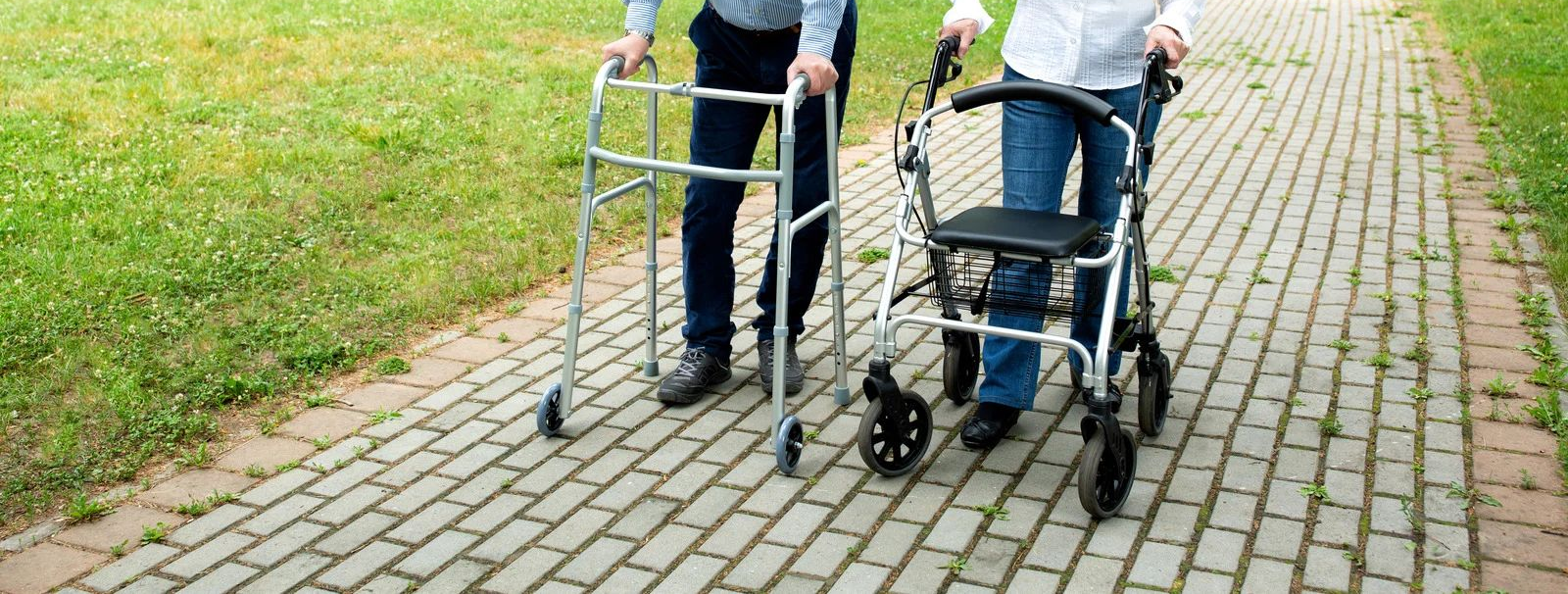
Another significant innovation in walking aides is the use of lightweight, high-strength materials such as carbon fiber and aerospace-grade aluminum. These materials reduce the overall weight of walkers, making them easier to maneuver while maintaining durability and stability. Adjustable frames allow customization for individual height, weight, and mobility needs, ensuring optimal posture and ergonomic support. For patients with limited upper body strength, these adaptive designs enable independent mobility without excessive exertion.
Multi-Functional Walkers
Multi-functional walkers have also gained popularity due to their versatility. Many models now feature integrated seating, storage compartments, and folding mechanisms, allowing users to take breaks, carry personal items, and transport the device conveniently. Some walkers incorporate electronic assistance, including motorized propulsion for users with severe mobility impairments. By combining practicality with advanced technology, these walkers support longer distances, enhanced endurance, and overall independence.
Real-World Applications
In rehabilitation centers, smart and lightweight walkers are being used to track recovery progress and provide quantitative data for therapists. Caregivers at home benefit from multi-functional walkers that minimize strain during daily activities. Hospitals and assisted-living facilities increasingly adopt sensor-enabled walkers to monitor patient activity and reduce falls, highlighting their value in both clinical and home settings.
Innovations in Standing Frames
Dynamic Standing Frames
Dynamic standing frames represent a significant leap from traditional static models. Unlike conventional frames that merely hold the user upright, dynamic models allow controlled movement, including gentle tilting and weight shifts. This motion stimulates circulation, improves joint flexibility, and reduces muscle stiffness, which is critical for individuals with spinal cord injuries or neuromuscular conditions.
Adjustable Posture Support
Modern standing frames offer comprehensive postural adjustments to support the spine, hips, and knees. Customizable harnesses, padded supports, and adjustable footplates ensure correct alignment during standing sessions. Proper posture not only enhances safety but also promotes the development of muscle strength, bone density, and functional independence. Occupational therapists often recommend frames with micro-adjustments, enabling gradual increases in standing duration and angle for progressive rehabilitation.
Integration with Technology
Some advanced standing frames now integrate with digital devices, providing real-time performance tracking and data analytics. Therapists can monitor weight distribution, standing duration, and movement patterns, allowing for tailored rehabilitation plans. Additionally, virtual reality (VR) compatibility is emerging, offering interactive therapy sessions that combine standing exercises with cognitive engagement, making therapy more enjoyable and motivating for patients.
Home and Clinical Use
Standing frames are increasingly designed for home use, with compact, foldable designs that do not compromise functionality. Clinicians also use these frames in therapy centers to enhance rehabilitation outcomes. For patients recovering from stroke, brain injury, or orthopedic surgery, standing frames improve circulation, digestion, and respiratory function while enabling safer, supported weight-bearing exercises.
Rehabilitation Benefits and Challenges
Physical Benefits
Modern walking aides and standing frames are not only mobility tools—they are integral to therapeutic rehabilitation. They help maintain muscle tone, improve posture, enhance balance, and prevent secondary complications such as pressure sores and joint contractures. Consistent use encourages weight-bearing activities, stimulating bone density and reducing the risk of osteoporosis, particularly in older adults or patients with limited mobility.
Cognitive and Emotional Impact
Beyond physical health, these devices support cognitive and emotional well-being. Increased independence reduces reliance on caregivers, fostering confidence and self-esteem. Many patients report feeling more engaged in daily activities, which improves overall mental health and motivation during rehabilitation.
Challenges and Considerations
Despite these advantages, challenges remain. Cost is a major consideration, as advanced walkers and standing frames can be expensive. Users may require professional guidance to ensure proper adjustment and safe use. Additionally, technology-dependent devices require maintenance and occasional troubleshooting. In clinical settings, staff training is essential to maximize device benefits while minimizing risk. Selecting the right device often requires an assessment of mobility needs, strength, balance, and lifestyle, emphasizing the importance of personalized care.
Emerging Trends and Future Outlook
Robotics and Exoskeleton Integration
Robotics and wearable exoskeletons are pushing the boundaries of mobility assistance. Exoskeleton-integrated walkers allow users to perform walking motions with mechanical support, reducing strain and enabling more natural movement. Some systems are even capable of assisting partial weight-bearing during rehabilitation, providing gradual progression for patients recovering from injury or surgery.
AI-Enhanced Monitoring
Artificial intelligence (AI) is increasingly embedded in walking aides and standing frames to track mobility patterns, predict potential falls, and optimize therapy routines. By analyzing user data, AI systems offer personalized recommendations for movement and posture adjustments, helping therapists refine rehabilitation plans in real time.
Sustainability and Design Innovations
There is a growing focus on environmentally sustainable designs. Manufacturers are adopting recyclable materials, reducing energy consumption in powered devices, and designing modular systems for easy upgrades rather than full replacement. This trend aligns with global sustainability goals while offering cost-efficient long-term solutions for users and healthcare facilities.
Expanding Accessibility
Future developments aim to make walking aides and standing frames more accessible to diverse populations. Compact, affordable models for home use, combined with remote monitoring and telehealth integration, allow broader patient engagement. Inclusive design features accommodate varying physical abilities, ensuring that more individuals can benefit from these advancements in mobility technology.
Best Practices for Using Walking Aides and Standing Frames
Proper Assessment and Customization
Selecting the right device starts with a thorough assessment of mobility needs, physical condition, and lifestyle requirements. Healthcare professionals should evaluate strength, balance, range of motion, and rehabilitation goals. Customizable features, such as adjustable height, footplates, and support harnesses, ensure optimal fit and effective use.
Training and Guidance
Proper training is essential for safe and effective use. Users and caregivers should receive instruction on correct posture, walking techniques, and device adjustments. In rehabilitation settings, therapists often develop step-by-step programs to gradually increase mobility and weight-bearing activities.
Maintenance and Safety
Regular maintenance of walking aides and standing frames extends device lifespan and ensures safety. Inspecting wheels, joints, harnesses, and digital components for wear or malfunction is critical. Additionally, users should be educated about potential hazards, including uneven surfaces, wet floors, and improper positioning, to prevent accidents.
Integration into Daily Life
For maximum benefit, walking aides and standing frames should be incorporated into daily routines. Frequent short sessions using standing frames improve circulation and muscle engagement, while consistent use of adaptive walkers promotes independence in mobility. Combining device use with physical therapy and exercise programs enhances overall rehabilitation outcomes.
Experienced Leaders Transforming Standing Frame Technology Safely
The latest innovations in walking aides and standing frames have transformed mobility and rehabilitation for individuals with varying physical challenges. Advancements such as smart sensor technology, dynamic standing frames, and lightweight adaptive materials have enhanced safety, comfort, and functional independence. Integrating robotics, AI, and digital monitoring into these devices allows personalized therapy, real-time feedback, and measurable progress, while multi-functional designs support practical daily use. As rehabilitation goals evolve, these innovations not only improve physical outcomes but also foster emotional confidence, cognitive engagement, and a higher quality of life.
Advanced Medical, based in San Marcos, CA, has been at the forefront of providing high-quality mobility solutions for 27
years. With decades of experience, the company combines professional expertise with cutting-edge technology to deliver walking aides and standing frames that meet individual needs. Patients and caregivers rely on Advanced Medical
for trusted guidance, comprehensive device selection, and reliable support. Their commitment to excellence ensures that every product enhances mobility, independence, and overall well-being, making them a leading authority in the assistive mobility industry.