
Vehicle Lifts for Mobility: How They Work and Why They Matter
April 9, 2026
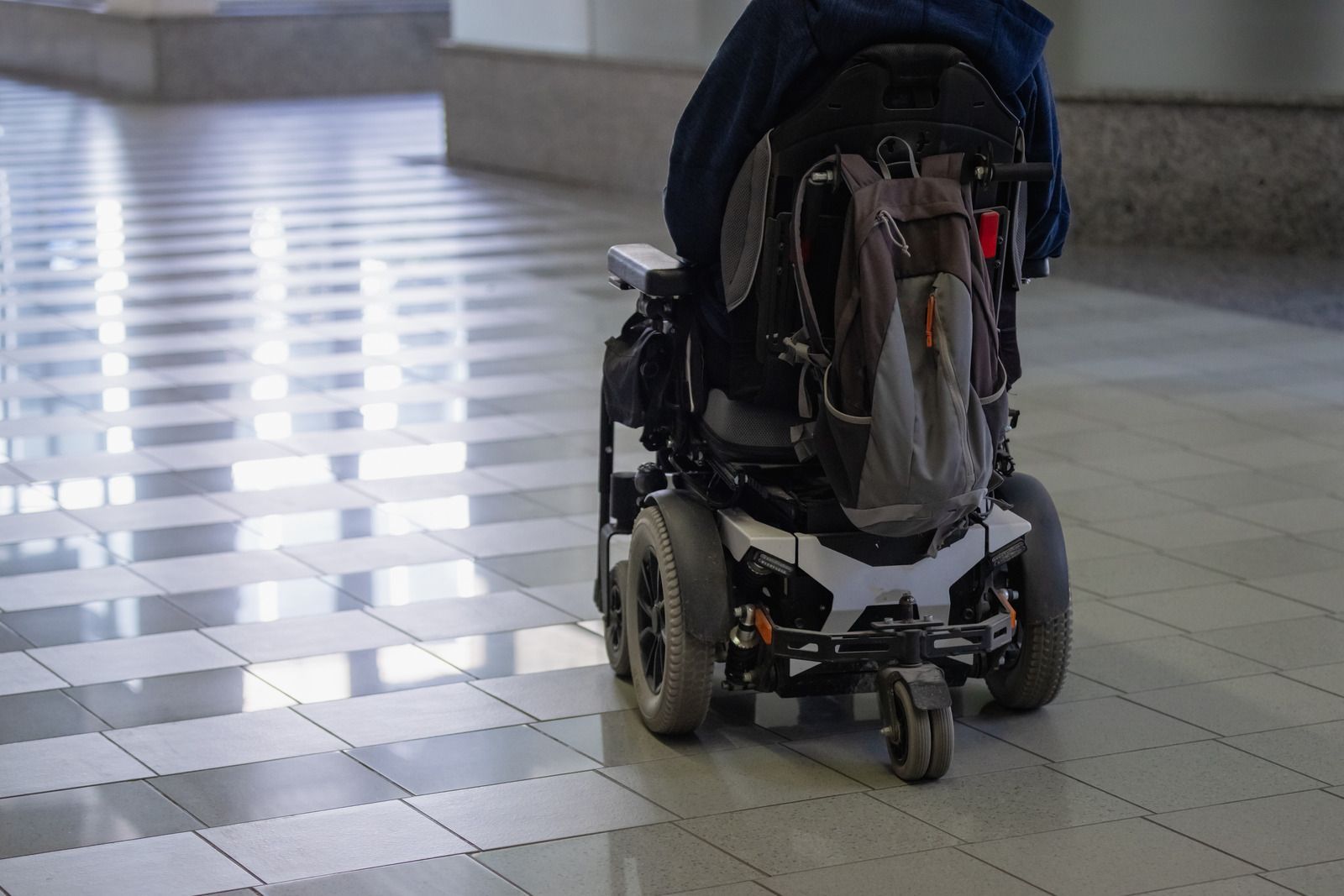
Mobility challenges affect millions of people worldwide, making independence and safe transportation a daily concern. For individuals who rely on wheelchairs, scooters, or other mobility devices, vehicles often present a significant barrier. Vehicle lifts for mobility offer a practical and life-changing solution, enabling seamless access to cars, vans, and SUVs without compromising safety or convenience. These systems transform vehicles into accessible transportation, removing the need for manual lifting or assistance. By bridging the gap between mobility devices and vehicles, these lifts empower users to plan trips, attend appointments, and participate in social activities without limitation. Understanding how these lifts function, their benefits, and their role in enhancing independence is crucial for anyone considering adaptive transportation solutions.
Vehicle lifts are engineered with precision, combining mechanics, hydraulics, and user-friendly controls to deliver consistent, reliable operation. From residential applications to commercial transport, these lifts are designed to accommodate a wide range of mobility devices while maintaining stability and efficiency. Beyond functionality, vehicle lifts contribute to a higher quality of life by supporting independence, enabling social engagement, and expanding access to employment and recreation. With innovations in design and technology, lifts can now handle heavier devices, operate more quietly, and integrate seamlessly into various vehicle types. This blog explores the mechanics of vehicle lifts, the types available, best practices for installation and use, and the critical role these systems play in mobility enhancement.
How Vehicle Lifts Function: Mechanics and Technology
Understanding the Core Mechanism
Vehicle lifts for mobility operate through hydraulic, electric, or mechanical systems that raise and lower mobility devices into the vehicle. Hydraulics use fluid pressure to provide smooth, controlled movement, ideal for heavier wheelchairs or scooters. Electric lifts rely on motorized components to achieve similar functionality and often include automated features for simplified operation. Mechanical systems, though less common today, utilize pulleys and levers for manual lifting. Regardless of type, all lifts are engineered with safety interlocks, weight limits, and stabilization mechanisms to prevent accidents and ensure reliability during use.
Safety Features and Reliability
Safety is paramount in mobility lift design. Anti-slip surfaces, automatic locking systems, and sensor-based operation prevent unintended movement during loading or unloading. Many lifts include backup power options to maintain functionality during electrical failures. Reliability testing and compliance with industry standards guarantee that lifts withstand daily use and various environmental conditions. For users, understanding these safety mechanisms fosters confidence and peace of mind, knowing that mobility is supported without undue risk.
Real-World Applications
Consider a scenario where an individual uses a power wheelchair for daily commuting. A hydraulic lift installed in a minivan can transport the device from the driveway into the vehicle effortlessly, eliminating strain and dependency on caregivers. In commercial settings, shuttle services equipped with electric lifts enable safe boarding for multiple passengers with mobility needs, demonstrating versatility across personal and public transportation.
Types of Vehicle Lifts: Selecting the Right Solution
Platform Lifts
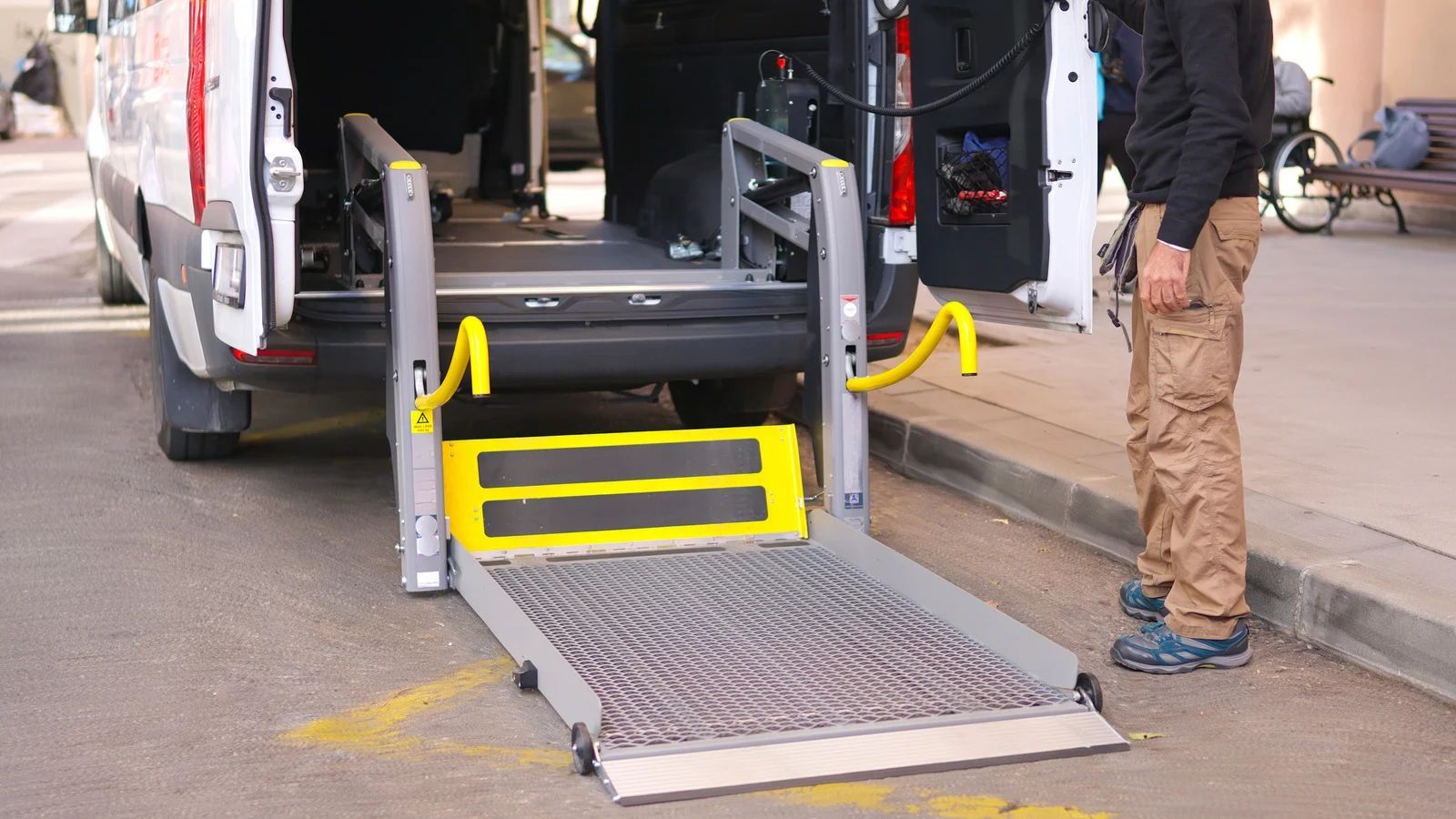
Platform lifts are flat surfaces that carry wheelchairs or scooters into vehicles. They can fold or stow vertically to minimize obstruction when not in use. Platform lifts are particularly suitable for larger mobility devices and allow the user to remain seated during transport. These lifts often integrate with van or SUV configurations and provide consistent, stable operation, making them a popular choice for both residential and commercial applications.
Under-Vehicle Lifts
Under-vehicle lifts attach to the vehicle’s frame and operate from beneath the vehicle. Designed for compact folding of mobility devices, they swing out and lift the device with minimal user effort. Under-vehicle lifts are ideal for smaller vehicles and offer a discreet, space-saving solution without sacrificing accessibility or stability.
Interior Lifts
Interior lifts are installed inside the vehicle and are commonly used for wheelchair-secured transport. These lifts operate vertically or via swing-arm mechanisms and are integrated with securement systems that stabilize the wheelchair during travel. Interior lifts are preferred for vehicles with limited external mounting options, ensuring accessibility while maintaining cabin space for other passengers.
Best Practices for Selection
Selecting the appropriate lift requires evaluating the mobility device, vehicle type, frequency of use, and user physical capabilities. Weight capacity, ease of operation, and stowage design are critical factors. Consultation with mobility specialists or certified installers ensures that the lift meets both functional and safety requirements. Proper selection enhances longevity and user satisfaction while minimizing maintenance challenges.
Installation and Maintenance: Ensuring Longevity
Professional Installation
Proper installation of a vehicle lift is essential for safe and efficient operation. Certified installers assess the vehicle structure, weight distribution, and mounting points to ensure secure attachment. Electrical and hydraulic systems require precise calibration, and failure to install correctly can compromise safety and performance. Installation should also consider user ergonomics, allowing effortless reach of controls and comfortable alignment for loading mobility devices.
Regular Maintenance
Routine maintenance is critical to prevent malfunctions and extend the lift’s lifespan. Hydraulic fluid levels, electrical connections, and mechanical components must be inspected periodically. Lubrication of moving parts, battery checks for motorized lifts, and testing safety interlocks contribute to consistent, reliable performance. Maintenance schedules may vary by manufacturer, but adherence to recommended service intervals ensures uninterrupted usability and reduces long-term repair costs.
Troubleshooting Common Issues
Common problems include misalignment, slowed operation, or electrical faults. Addressing these issues promptly prevents safety risks and ensures smooth operation. User manuals often provide step-by-step guidance for minor troubleshooting, while professional service is recommended for mechanical or hydraulic repairs. Keeping a log of maintenance and performance helps identify recurring issues and supports proactive care.
Benefits of Vehicle Lifts: Independence and Quality of Life
Enhancing Daily Mobility
Vehicle lifts empower individuals with mobility challenges to travel independently, reducing reliance on caregivers or public transportation. Accessing workplaces, social gatherings, or recreational activities becomes feasible without excessive strain or planning. This independence fosters self-confidence, social inclusion, and overall mental well-being.
Promoting Safety and Convenience
Lifts eliminate the need for manual lifting, reducing injury risks for both the user and anyone assisting. Smooth operation, reliable stabilization, and ergonomic controls enhance convenience, allowing quick and secure loading or unloading. Users can maintain mobility device integrity without damage during transport, ensuring long-term usability of equipment.
Supporting Diverse Lifestyle Needs
Mobility lifts accommodate a variety of scenarios, from personal vehicles to commercial vans or shuttle services. Families benefit from simplified travel arrangements, healthcare providers can offer transport for patients efficiently, and businesses can comply with accessibility regulations. This versatility extends beyond individual use, contributing to broader community inclusion and mobility equity.
Challenges and Considerations: Making Informed Decisions
Vehicle Compatibility
Not all lifts are compatible with every vehicle type. Assessing vehicle size, door clearance, and interior configuration is essential before purchase. Some lifts may require modifications to the vehicle structure, which should be performed by certified professionals to maintain integrity and warranty compliance.
Cost and Investment
Vehicle lifts represent a significant investment. Beyond initial purchase, installation and maintenance costs must be considered. Evaluating the long-term benefits, potential insurance coverage, or mobility grants can offset financial barriers and ensure a cost-effective solution. A well-chosen lift provides durable, reliable service that justifies the initial outlay.
Training and Usability
Ease of use is critical for maximizing lift benefits. Users may require orientation or hands-on practice to operate controls confidently. Some lifts feature automated or remote systems that simplify operation, while others rely on manual guidance. Investing time in proper training enhances safety, reduces user error, and increases overall satisfaction with the system.
Expert Guidance: Best Practices for Maximizing Lift Efficiency
Integration with Vehicle Design
Proper integration ensures that lifts do not impede vehicle functionality or passenger comfort. Customizations such as folding platforms, stowage compartments, and securement rails improve usability without sacrificing space. Planning the installation in alignment with daily routines optimizes efficiency and convenience.
Routine Evaluation and Feedback
Regularly assessing lift performance helps identify areas for improvement or early signs of wear. Feedback from daily use can guide adjustments in operation, maintenance intervals, or accessory enhancements. Documenting usage patterns supports proactive care and ensures that the lift continues to meet evolving mobility needs.
Staying Updated with Innovations
Advances in lift technology, including weight-sensing systems, automated folding mechanisms, and smart controls, enhance safety and user experience. Staying informed about innovations allows users to leverage modern solutions that increase reliability, reduce effort, and enhance mobility independence. Upgrading when feasible ensures continued accessibility and long-term satisfaction.
Reliable Vehicle Lifts Designed with Professional Expertise
Vehicle lifts for mobility are essential tools for enabling safe, independent transportation. Understanding the mechanics, types, and operational best practices allows individuals to make informed decisions that maximize both safety and convenience. Proper selection, installation, and maintenance ensure reliability, while the benefits extend beyond physical mobility to include social engagement, independence, and quality of life. By considering vehicle compatibility, user needs, and technological options, mobility lifts become not just practical devices, but integral components of daily living.
At Advanced Medical
in San Marcos, CA, we bring 27
years of experience providing trusted mobility solutions. Our expertise spans vehicle lift installation, maintenance, and user training, ensuring that every system supports independence, safety, and long-term usability. With a commitment to quality, reliability, and personalized guidance, we help individuals navigate the challenges of mobility with confidence. Choosing Advanced Medical
means investing in proven experience and professional service dedicated to enhancing lives through accessible transportation solutions.