
Top Benefits of Vehicle Lifts for Seniors and Caregivers
May 4, 2026
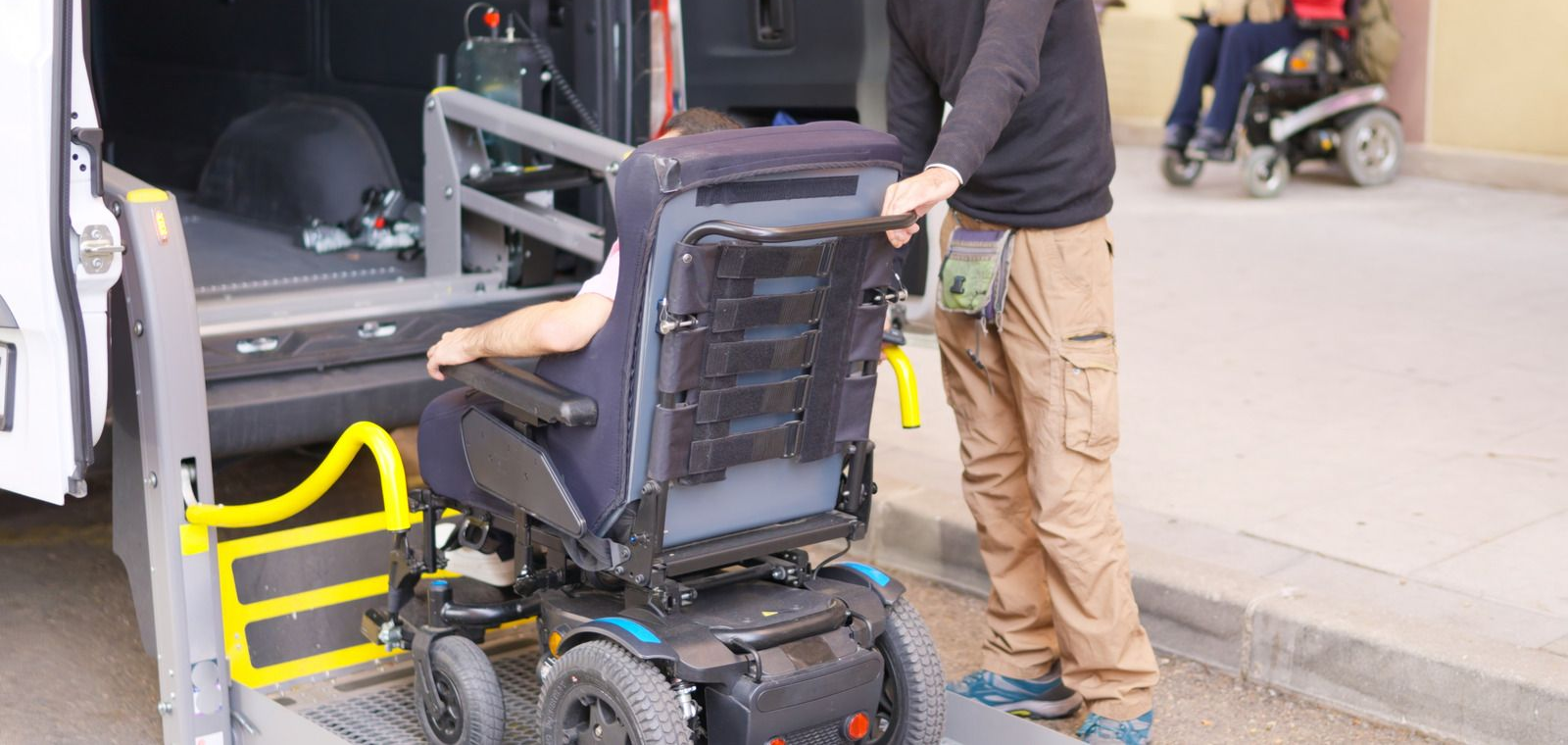
As the population ages, ensuring independence and safety for seniors becomes increasingly critical. Many individuals encounter challenges with mobility, particularly when entering or exiting vehicles. Traditional vehicles often pose risks such as slips, falls, or strain injuries, not only for seniors but also for those assisting them. Vehicle lifts offer a practical solution, enabling safer, more comfortable transfers for seniors and caregivers alike. By integrating advanced lift technology, vehicles can transform into accessible, user-friendly spaces that accommodate diverse mobility needs. These systems support autonomy, enhance quality of life, and reduce the risk of accidents, making transportation a stress-free experience.
Beyond safety, vehicle lifts can significantly improve daily routines for caregivers. Assisting a senior into a vehicle can be physically demanding, leading to fatigue or injury over time. Vehicle lifts streamline this process, reducing manual lifting and ensuring smooth, controlled movements. Additionally, these systems are versatile, compatible with various vehicle types including minivans, SUVs, and full-size vans. This flexibility ensures that mobility solutions are not limited by vehicle choice, offering seniors the freedom to travel comfortably. As awareness of accessible transportation grows, vehicle lifts have emerged as essential tools that combine safety, convenience, and independence. Their benefits extend far beyond functionality, directly contributing to a higher standard of care and quality of life.
1. Enhancing Safety for Seniors and Caregivers
Minimizing Fall Risks
Falls are among the leading causes of injury for older adults, and getting in and out of vehicles is a common hazard for many seniors daily. Vehicle lifts create a stable platform, allowing smooth, controlled movements during transfers without sudden shifts or unsteady footing. Seniors no longer need to step up or down unaided, significantly reducing the risk of slips and trips in challenging conditions. Caregivers also experience less strain and fatigue, as manual lifting is largely eliminated, making transportation safer for everyone involved.
Controlled Motion and Stability
Modern lifts use advanced hydraulic or electric mechanisms specifically designed to ensure consistent, controlled motion throughout every operation. This reduces sudden jerks, tilts, or imbalances that could destabilize seniors during transfers. Safety features, such as locking mechanisms, non-slip surfaces, and secure harnesses, add an extra layer of protection. For example, a caregiver assisting a senior with limited balance can rely on the lift to maintain even positioning, ensuring comfort, confidence, and stability throughout the entire transfer process.
Case Study: Reduced Injuries
Studies have shown that seniors using vehicle lifts experience far fewer accidents when transferring in and out of vehicles compared to standard methods. Hospitals, rehabilitation centers, and assisted living communities that integrate vehicle lifts report a notable decrease in mobility-related injuries, highlighting the system’s critical importance in both private residences and institutional care settings for long-term safety.
2. Promoting Independence for Seniors
Retaining Autonomy
Vehicle lifts allow seniors to enter and exit vehicles with minimal assistance, fostering independence and a greater sense of personal freedom in daily life. The ability to travel without constant support encourages participation in social activities, medical appointments, and recreational outings, enhancing overall well-being. For seniors who value autonomy, a lift can restore confidence, self-reliance, and dignity while supporting engagement in community and family activities on a regular basis.
Customizable Access Solutions
Lifts are available in multiple designs, including platform lifts, wheelchair ramps, and powered seat lifts for maximum accessibility. Each system can be tailored to the user’s mobility level, weight capacity, and specific vehicle configuration for optimal convenience. For instance, a senior with a lightweight, portable wheelchair may benefit from a foldable platform lift, while a full-size power chair may require a ramp-integrated or heavy-duty hydraulic lift for safe and smooth transport.
Psychological Benefits
Beyond physical support, vehicle lifts significantly enhance emotional well-being by increasing independence and confidence. Seniors often feel empowered when they can manage transportation without assistance. This increased self-assurance reduces stress and anxiety for both seniors and caregivers, creating a more positive daily routine and a stronger sense of freedom in mobility-related activities.
3. Reducing Physical Strain for Caregivers
Preventing Back and Shoulder Injuries
Caregivers face a high risk of musculoskeletal injuries when manually lifting, supporting, or guiding seniors into vehicles. Vehicle lifts dramatically reduce the physical effort required, distributing weight evenly and enabling smooth transitions during transfers. Over time, this decreases the likelihood of chronic injuries, strains, and fatigue, making caregiving safer and more sustainable, especially for those assisting multiple seniors throughout the day.
Time Efficiency in Transfers
Manual lifting and positioning can be time-consuming and physically demanding, particularly for seniors with limited mobility or those using assistive devices. Vehicle lifts streamline the process, allowing caregivers to complete transfers quickly, safely, and efficiently. In daily routines, this efficiency provides more time for quality care, companionship, and other supportive activities rather than labor-intensive, repetitive tasks that could otherwise be exhausting.
Real-World Example
Consider a caregiver assisting multiple seniors to attend a local community event or medical appointments on the same day. Without a lift, repeated transfers increase fatigue, risk of injury, and delays. With a vehicle lift, each transfer is faster, safer, and less physically taxing, ensuring both caregiver well-being and senior safety while maintaining a reliable, stress-free travel schedule.
4. Improving Accessibility Across Vehicle Types
Versatility and Compatibility
Vehicle lifts are not limited to specialized or custom-built vehicles; they can be installed in minivans, SUVs, and full-size vans of various models. This allows seniors to maintain preferred vehicle choices without compromising accessibility, convenience, or comfort. Adaptable lift solutions ensure that diverse mobility requirements are met efficiently across different vehicle types for personal, medical, or recreational use.
Integration With Existing Mobility Devices
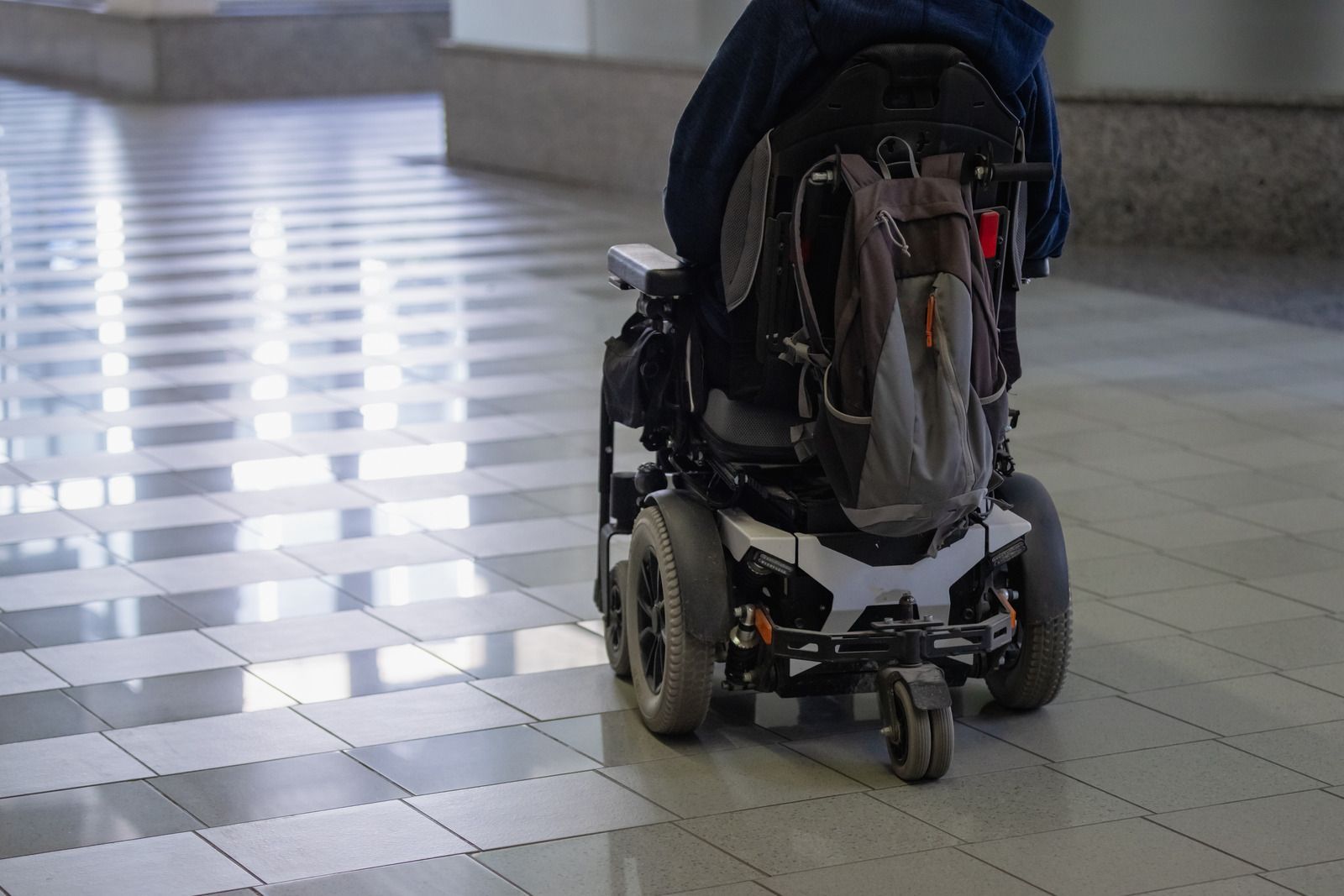
Lifts work seamlessly with wheelchairs, scooters, and other mobility aids, allowing seniors to remain seated in their devices during transit. This avoids the need for transfers that could cause discomfort, strain, or injury. Some lifts also feature rotating or tilting platforms to accommodate various device shapes, sizes, and weights, ensuring smooth, safe entry and exit for every user.
Enhanced Travel Flexibility
With a lift-installed vehicle, seniors gain the freedom to travel spontaneously and independently. Trips to social gatherings, medical appointments, or recreational activities become feasible without extensive planning or assistance. This flexibility encourages active participation in daily life, creating more opportunities for engagement, personal growth, and social interaction.
5. Supporting Long-Term Health and Comfort
Reduced Physical Stress for Seniors
Repeatedly climbing into vehicles can strain joints, muscles, and connective tissue, particularly for seniors with arthritis, osteoporosis, or limited mobility. Vehicle lifts provide smooth, low-impact motion, preventing unnecessary stress on the body and supporting long-term mobility. Seniors can safely maintain active lifestyles without fear of injury or fatigue during everyday transportation.
Encouraging Active Lifestyle
By making travel accessible, safe, and comfortable, vehicle lifts encourage seniors to remain socially and physically active. Attending community events, visiting family, participating in recreational activities, or managing regular appointments contributes to overall physical and mental health. Accessibility promotes independence while reducing isolation and sedentary behaviors often associated with aging.
Improved Quality of Life
The combination of safety, independence, and comfort significantly enhances quality of life for seniors and caregivers alike. Seniors feel more confident and willing to engage in day-to-day activities, while caregivers experience reduced stress and greater satisfaction in providing care. Vehicle lifts empower families to maintain mobility, social engagement, and well-being consistently over time.
6. Best Practices for Vehicle Lift Use
Regular Maintenance and Inspections
Vehicle lifts require routine maintenance and thorough inspections to ensure safe, reliable operation over the long term. Regular checks of hydraulic components, electrical systems, platform surfaces, and control mechanisms prevent malfunctions, extend lifespan, and maintain peak performance for daily use. Proactive upkeep reduces unexpected downtime and ensures continued safety for both seniors and caregivers.
Proper Training and Usage
Seniors and caregivers should receive comprehensive guidance on operating lifts safely and efficiently. Understanding weight limits, platform positioning, emergency procedures, and proper safety harness use ensures maximum benefit while minimizing risks. Many manufacturers provide instructional sessions, detailed manuals, and online tutorials for safe, confident operation of lift systems.
Customizing Solutions to Individual Needs
Selecting the right lift involves evaluating the senior’s mobility level, weight, device type, and typical travel patterns. A professional assessment ensures the lift meets specific requirements for safety, comfort, and usability. Tailoring solutions to individual needs maximizes independence, reduces caregiver strain, and guarantees consistent, long-term satisfaction for every user.
Experience-Driven Vehicle Lift Services For Comfortable Travel
Vehicle lifts represent a transformative solution for seniors and caregivers, combining safety, independence, and convenience in everyday transportation. From reducing fall risks to supporting physical well-being and promoting autonomy, lifts address critical challenges that arise with age-related mobility limitations. They minimize caregiver strain, integrate with existing mobility aids, and encourage a more active, engaged lifestyle. When implemented thoughtfully, lifts become not just a mobility tool, but an enabler of freedom, comfort, and long-term health.
At Advanced Medical, based in San Marcos, CA, we bring 27
years of experience to the field of mobility solutions. Our focus is providing safe, reliable, and innovative
vehicle lift systems
that empower seniors and caregivers alike. With a commitment to excellence, personalized guidance, and high-quality products, we help users maintain independence while ensuring daily transportation is safe and stress-free. Advanced Medical
combines expertise, trustworthiness, and hands-on experience to deliver solutions that enhance quality of life and provide peace of mind for every journey.